
USE CASE 4

Making Learning Fit the Learner

Moving away from generic learning to personalized development

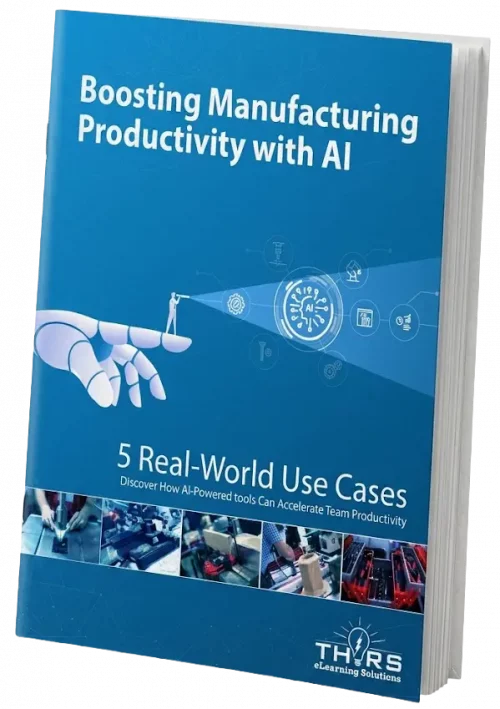
Part of the e-book: Boosting Manufacturing Productivity
thors-paper2
The Problem with One-Size-Fits-All Manufacturing Training

Traditional training assumes a simple model: deliver the exact same course, materials, and assessments to everyone and expect consistent results . In modern manufacturing, that assumption rarely holds.

Roles and backgrounds across precision operations vary widely. One engineer may have deep materials knowledge but little exposure to electronics. A purchasing manager may understand contracts thoroughly but struggle with machining constraints. A technician may understand a single machine inside and out, yet struggle to see how upstream or downstream steps affect final tolerances.

When everyone receives identical training, experienced operators become disengaged while newer team members are overwhelmed. Training time is spent, but plant competency develops unevenly.

The Real-World Context

At a precision gearing and machining facility, the workforce ranged from veteran machinists with decades of experience to operators early in their careers. For years, skill building followed a fragile pattern:

Progress depended entirely on mentor availability rather than real learning needs.

Trainees had to halt machine work to search through dense paper manuals or wait for a busy senior machinist to free up.

Plant leaders had no clear visibility into who knew what across shifts, leading to uneven part quality and prolonged onboarding.

“The organization needed a way to upskill new hires and deepen the knowledge of experienced operators without disrupting production.”

The Solution: Connecting Structured Learning to Real-Time AI Support

The company replaced rigid training with an integrated, personalized learning ecosystem powered by THORS

  • Role-Based Learning Paths (THORS Academy): Established specific learning curricula for machinists, operators, inspectors, and engineers focusing directly on what their job demands—including gear nomenclature, metallurgy, heat treatment, and machining fundamentals.
  • Objective Skill Gap Diagnostics (Competency Check 360): Pre-assessments revealed previously hidden knowledge gaps. Veteran operators had strong physical hands-on skills but lacked conceptual understanding, while new hires exhibited scattered strengths requiring targeted reinforcement.
  • Instant Shop-Floor Answers (MFG Genius): Instead of interrupting senior staff, operators use the AI assistant right at the workstation to ask natural-language questions and receive instant, vetted technical clarity tied to approved engineering principles.

Takeaways

“THORS Academy paired with MFG Genius changed everything. Instead of digging through PDFs or interrupting others, the new machinist could simply ask the AI assistant a question and get an immediate answer—plus links to deeper learning.”

Machine Shop Supervisor

Ready for More?

Download the full guide to see how manufacturers are using AI to standardize critical information, deliver answers in real time, personalize learning, and scale knowledge across every location.

Latest from our Blog

Thread Rolling Machine Forming Threads on a Metal Screw Metal Forming

Thread Rolling vs Thread Cutting: Which One Should You Choose?

Thread rolling versus thread cutting is a decision often made early and by habit, and ...

Read More →
Burnt LEDs Showing Visible LED Failure Modes on a Lighting Module Engineering Drawings

LED Failure Modes: Why Do LEDs Still Fail Despite Long Lifespans?

LED failure modes are the reason Light Emitting Diodes (LEDs) do not always live up to ...
Read More →
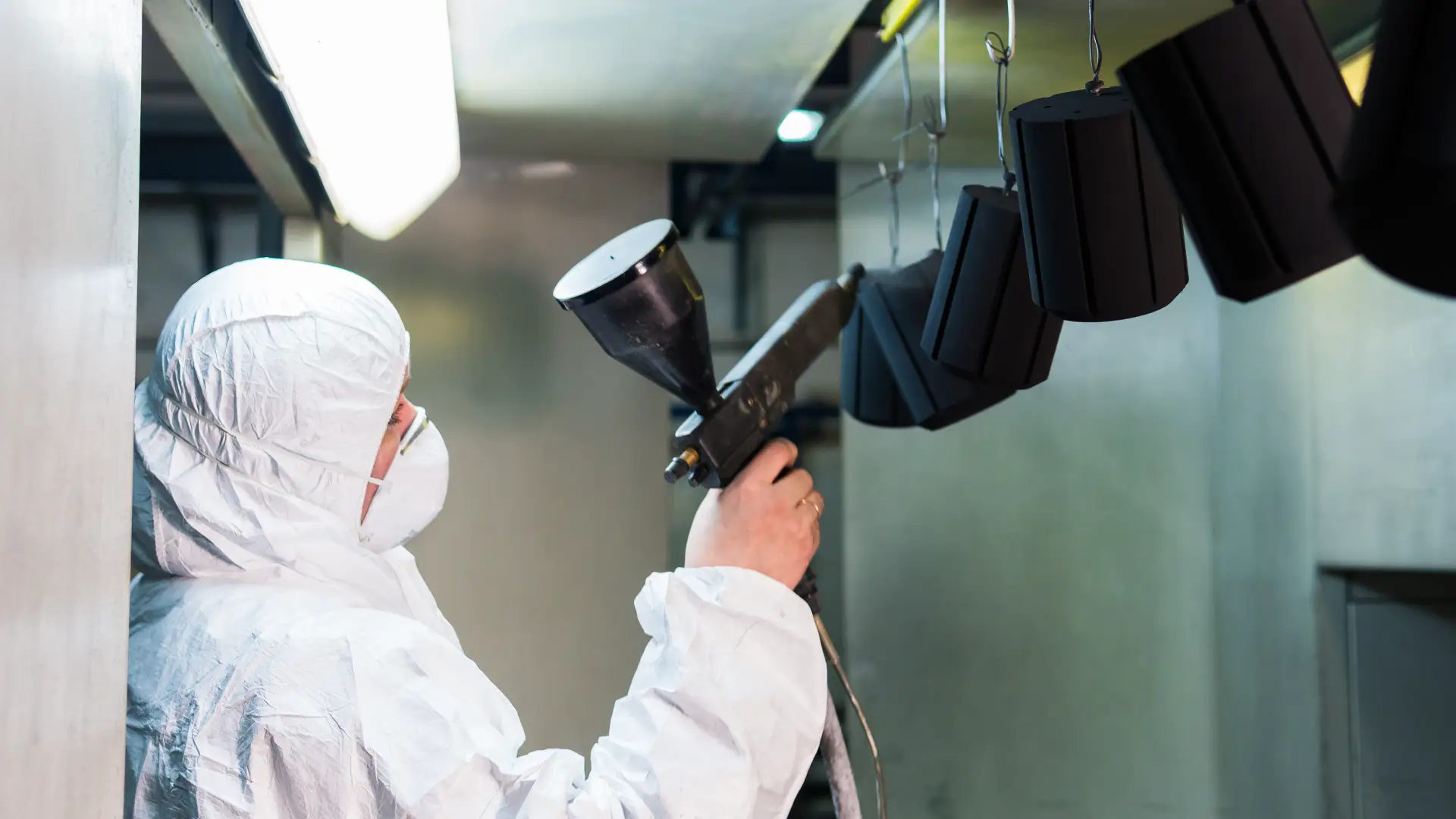
A metal part being powder coated on the shop floor. Painting

Powder Coating vs Liquid Painting: Which One Fits Your Part?

Powder coating vs liquid painting is one of the first decisions a manufacturer makes about ...
Read More →
Illustration of a worker opening the autoclave in a composite manufacturing industry Materials

Composite Manufacturing Advancements: 5 Key Shifts

For decades, composite manufacturing meant one thing: skilled technicians hand-laying plies, wheeling parts into a ...
Read More →
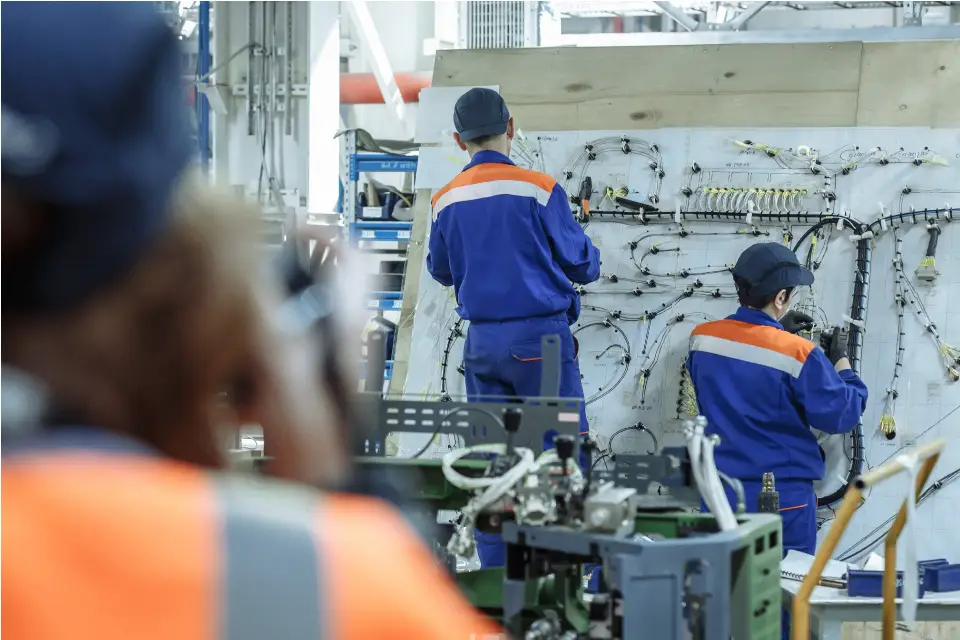
Technicians assembling a wiring harness using engineering drawings for wiring harness design and assembly. Engineering Drawings

The Role of Engineering Drawings in Wiring Harness Design and Assembly

Engineering drawings are the single source of truth for wiring harness design and assembly. They ...
Read More →
Illustration of a bevel gear pair in mesh, isolated from the tooth contact pattern testing machine setup. Gears

5 Best Practices for Bevel Gear Tooth Contact Pattern Testing

Tooth contact pattern testing is an important inspection process used to verify proper tooth engagement, ...

Read More →
Futuristic car interior with digital dashboard and ADAS technology interface displaying navigation and sensor data. Systems

Understanding ADAS Technology That is Revolutionizing Vehicle Safety

Advanced Driver Assistance Systems (ADAS) represent one of the most significant safety innovations in automotive ...

Read More →
Sustainable practices used in inventory management. Manufacturing Excellence

Sustainable Inventory Management Practices

Inventory is the stock of resources used by an organization. Sustainable inventory management practices are ...
Read More →
Electronic components are soldered onto a PCB using a soldering iron through the manual soldering method. Electronics

Behind Every PCBA: The Soldering Methods That Make It Work

Did you know that the wrong soldering method can compromise an entire circuit board, even ...

Read More →

Save time on annual performance evaluations

Automate manual HR processes using your existing documents.

Generate customized assessments instantly with AI

Upload job descriptions, SOPs and work orders and let AI do the rest.

Upskill team members with targeted training

Deliver personalized learning that targets individual training needs.

Put the right people in the right roles

Hire qualified candidates based on relevant, data-driven insights
Candidate Assessments
Training Needs ID
Process Certification
Competency Audits

Frequently Asked Questions About Competency Check 360 with AI

Get answers to common questions about how AI-powered competency assessments help you identify skill gaps, improve training, and make smarter workforce decisions.

Competency Check 360 with AI is an AI-powered platform that evaluates employee skills against real job requirements. It helps you identify skill gaps, improve training effectiveness, and gain clear visibility into workforce readiness.

Want to see it in action?

AI analyzes your job descriptions, SOPs, and work instructions to automatically generate role-specific competencies and assessment questions—ensuring evaluations reflect real work, not generic tests.

The platform compares assessment results to role-specific competencies, highlighting exactly where employees excel and where they need improvement—at both individual and team levels.

Immediately. Simply upload your job descriptions or SOPs, and AI generates customized assessments in minutes—no manual setup required.

Instead of broad, one-size-fits-all training, you can deliver targeted learning based on actual skill gaps—saving time and increasing effectiveness.

See how targeted training works →

  • Lack of visibility into employee skills
  • Time-consuming manual assessment creation
  • Ineffective training programs
  • Uncertain hiring or certification decisions
  • Faster workforce upskilling
  • Reduced training waste
  • Improved productivity and performance
  • More confident workforce decisions

Yes. It provides objective, data-driven insights into competency levels, helping you make better hiring, promotion, and certification decisions.

Yes. You get access to 230+ ready-to-deploy technical assessments across key business functions—so you can get started even faster.

Any industry with defined roles and processes—including manufacturing, energy, logistics, and healthcare—can benefit from AI-driven competency assessments.

Getting started is simple: upload your job documentation and let AI do the rest.