For decades, composite manufacturing meant one thing: skilled technicians hand-laying plies, wheeling parts into a giant autoclave, and hoping the cure came out right. Today, composite manufacturing advancements are changing that picture fast. The materials themselves haven’t stood still. However, it’s the processes — how composites are laid up, consolidated, cured, and inspected — that are being reinvented at the fastest pace.
Here are five composite manufacturing advancements reshaping how parts get made.
1. Robotic Layup Has Replaced the Hand-Layup Floor
Automated Fiber Placement (AFP) and Automated Tape Laying (ATL) have moved from novelty to standard practice. These robots place narrow tows or wide tapes with precision and repeatability that manual layup simply can’t match. As a result, waste has dropped sharply: precision tow placement has cut scrap from as much as 62% down to roughly 6%, compared to around 20% for hand layup.
Just as importantly, AFP’s fiber-steering capability lets these machines lay fiber along curved, load-optimized paths on complex geometries. A human layup technician working from a flat tape simply can’t replicate that consistently at scale.
2. Out-of-Autoclave Curing Is Breaking the Autoclave Bottleneck
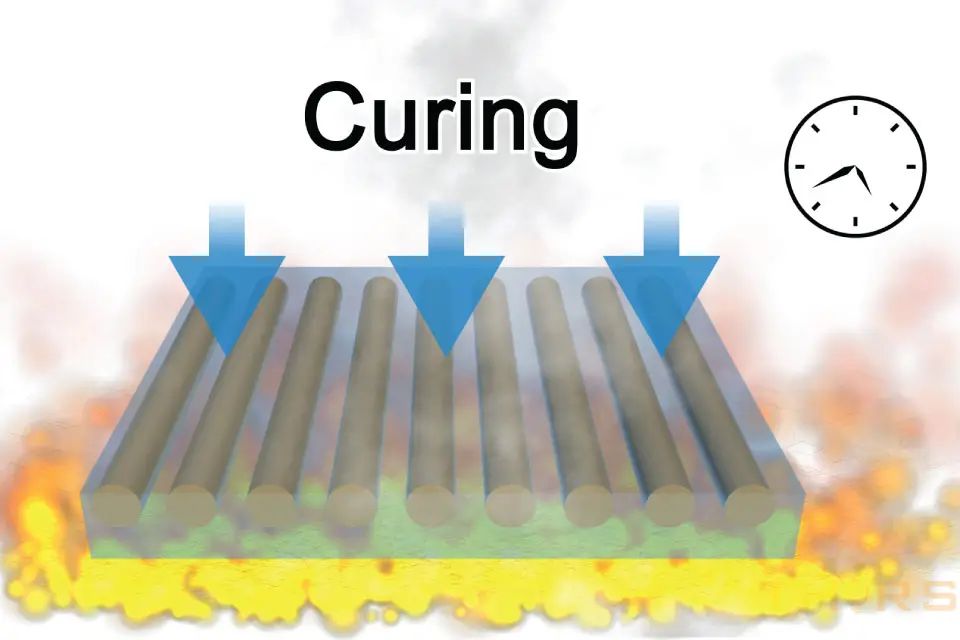
The autoclave has long been the single biggest capital and energy bottleneck in composite production. It’s a room-sized pressure vessel that limits part size, throughput, and even where manufacturing can happen. Out-of-autoclave processing is finally closing that gap. For example, dual vacuum-bag systems use differential pressure to pull out trapped gases without autoclave pressure, and smart susceptor induction heating cures large panels evenly right on the production line. Meanwhile, Automated Guided Vehicles (AGVs) now carry parts through in-line mini-autoclaves, curing them in a continuous flow instead of one batch at a time.
In practice, the payoff is simple: lower setup cost and far less energy use. This is a big deal for defense and repair teams, too, since a damaged part can now be fixed and cured right on site. No more shipping it back to a facility with a giant autoclave.
3. AI and Digital Twins Are Turning Curing into a Monitored, Predictable Process
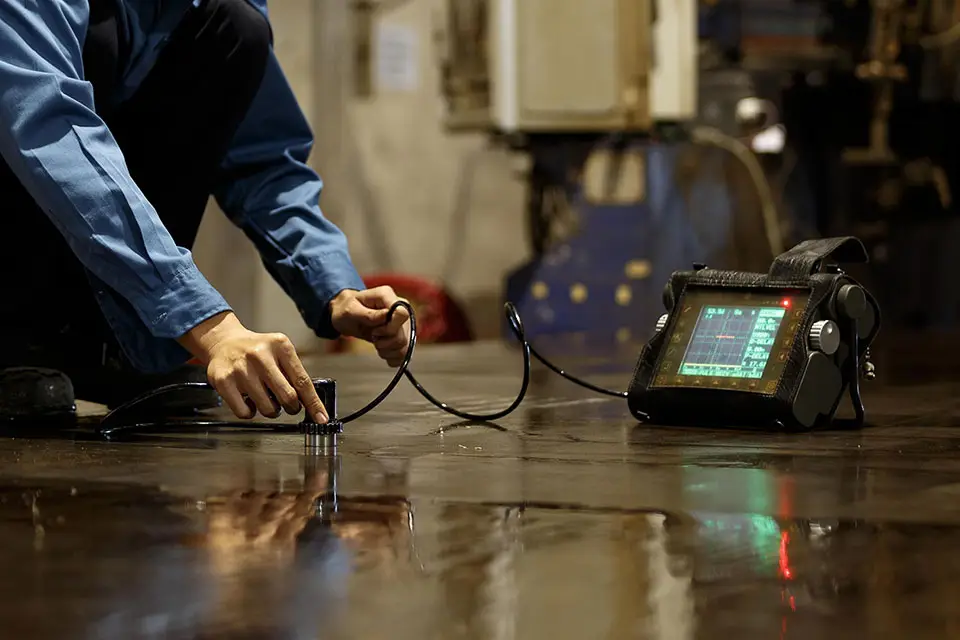
Cure cycles used to be a black box: technicians set the cycle, then inspected the part afterward to see if it worked. Now, real-time process control is changing that. AI models analyze in-process sensor data to predict defects, flag abnormal temperature or pressure behavior, and refine cure cycles on the fly. Digital twin autoclaves take this even further. They run a high-fidelity simulation alongside the physical cure, so engineers can validate quality during the cycle instead of discovering a problem after the part comes out.
These systems are paired with fully instrumented autoclaves controlled by PLC/SCADA systems — the industrial controllers that log every parameter of the cure. As a result, curing is turning from a craft into a traceable, data-driven manufacturing step. That matters enormously for aerospace-grade qualification.
4. High Rate Molding and AFP-RTM Integration Are Closing the Speed Gap With Metals
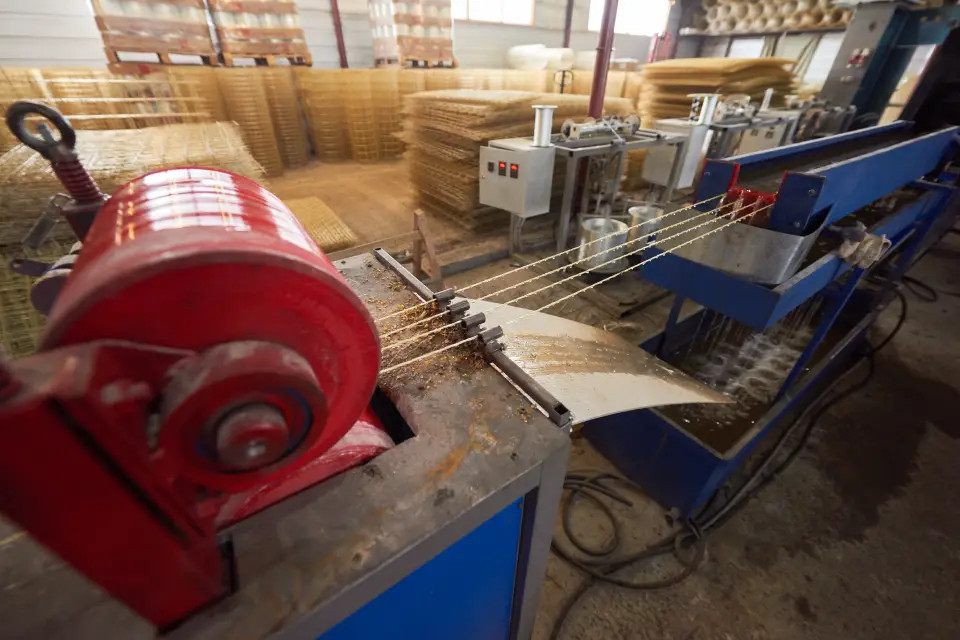
Resin Transfer Molding (RTM) has long promised high-volume potential. However, preform preparation — building up the dry-fiber shape before molding — was historically the slow, manual bottleneck. That’s changing as AFP is now integrated directly with RTM lines. Robots lay down dry-fiber preforms with the same precision used in prepreg layup, and those preforms are then injected and cured in a fraction of the time of traditional autoclave processing. In addition, high-pressure RTM variants and automated ply-cutting with computerized nesting are pushing composite production rates closer to what automotive and high-volume aerospace programs actually need.
5. Additive Manufacturing Is Adding a Whole New Process Category
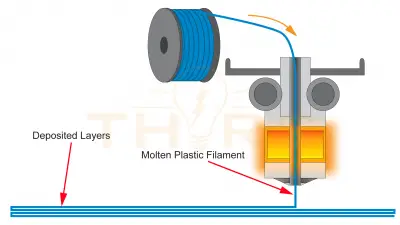
3D printing with fiber-reinforced polymers isn’t replacing layup or molding. Instead, it’s opening up a manufacturing option that didn’t exist before. Complex, load-optimized shapes that would be difficult or impossible to make with traditional layup or molding can now be printed directly. As a result, additive manufacturing is especially useful for tooling, brackets, and small batches of highly customized parts.
What These Composite Manufacturing Advancements Mean for the Next Generation of Engineers
The common thread across all five of these shifts is simple: automation and process control are replacing manual craft. That means the real skills gap in this industry isn’t more resin chemistry knowledge. Instead, it’s understanding robotic layup systems, out-of-autoclave process design, sensor-driven cure monitoring, and high-rate molding integration.
Ready to build composite manufacturing process skills that match the current industrial trend? Explore our THORS course on Composite Manufacturing. If you are new to the field of composites, our THORS course on Composite Basics would be the right choice.