
THORS RESOURCES

THORS Blog

Measurement System Analysis (MSA) Best Practices for Reliable Results

Measurement is the cornerstone of quality assurance in manufacturing. Measurement System Analysis (MSA) best practices play a critical role in ensuring reliable results. MSA includes the processes, tools, and personnel used to analyze measurement systems […]

Post Categories

A hand holding a magnifying glass, focusing on a statistics bar graph.

How Statistics Is Used in Everyday Life

How Statistics Is Used in Everyday Life

Statistics often remind us of data tables, charts, and calculations, but they are far more deeply woven into our daily lives than most of us realize. Whether you are checking the forecast before stepping out, scrolling through a curated feed, observing how government policies shape your environment, applying for a loan, or choosing a salon based on ratings, you are constantly interacting with statistical models. Here are some of the most common everyday scenarios where statistics come into play.

Weather Forecasts

Weather forecasts might seem like simple observations on the surface, but they are the results of rigorous statistical analysis. Every time you grab an umbrella before you head out because there is an 80% chance of rain, you are responding to a statistical probability. Meteorologists analyze historical temperature, humidity, wind data, and other factors to identify weather patterns. Probability models estimate the likelihood of certain weather events. Simulation models compare current atmospheric conditions with past data. Even predictions about potential natural calamities such as cyclones or heatwaves are based on statistical forecasting models that analyze trends and variability over time.

Social Media and Online Platforms

It does not come as a surprise that our social media and other online platform feeds are heavily curated. They constantly push the type of content we are most likely to enjoy, and these are not accidental placements. Research shows that various statistical models analyze user activity, such as clicks, time spent on posts, engagement patterns, and viewing history, to personalize content. As a result, the system identifies and presents content that users are most likely to engage with.

Public Policy Formulations

Government authorities rely on various data and statistical tools to design public policies.
They collect and analyze data on population growth, employment rates, health concerns, education levels, and economic performance in a specific area to identify concerns that need to be addressed and various initiatives to resolve them.

Banking and Finance

Statistics play a huge role in modern banking and finance. Various statistical models are used to measure factors such as a customer’s income, repayment history, and debt levels to generate a credit score that reflects their likelihood of repayment. These same models extend to interest rate determination, where the estimated probability of default allows lenders to adjust rates in proportion to risk. Beyond lending, investors also make use of historical market data to identify trends, assess risk, and estimate expected returns across various schemes.

Professionals discussing statistics and analyzing financial charts.

Regular Decisions

Statistics sneak into our daily decisions without us realizing it. When you pick a salon with a high average rating, you are relying on a statistical summary of customer reviews. That rating represents an average calculated from a sample of opinions. When you judge a new product based on a few reviews, you are sampling data and forming conclusions. Even when you form an opinion about a person after a short interaction, you are making an inference based on that data.

Conclusion

Statistics is essentially the science of collecting, analyzing, and interpreting data and, it surrounds us everywhere. Developing a fundamental understanding of how statistics work not only helps us make smart and informed decisions but also gives us a clearer picture of the world we live in, making it a handy tool for everyone. Interested in learning more about statistics? Check out THORS’ latest course, Statistics Basics.
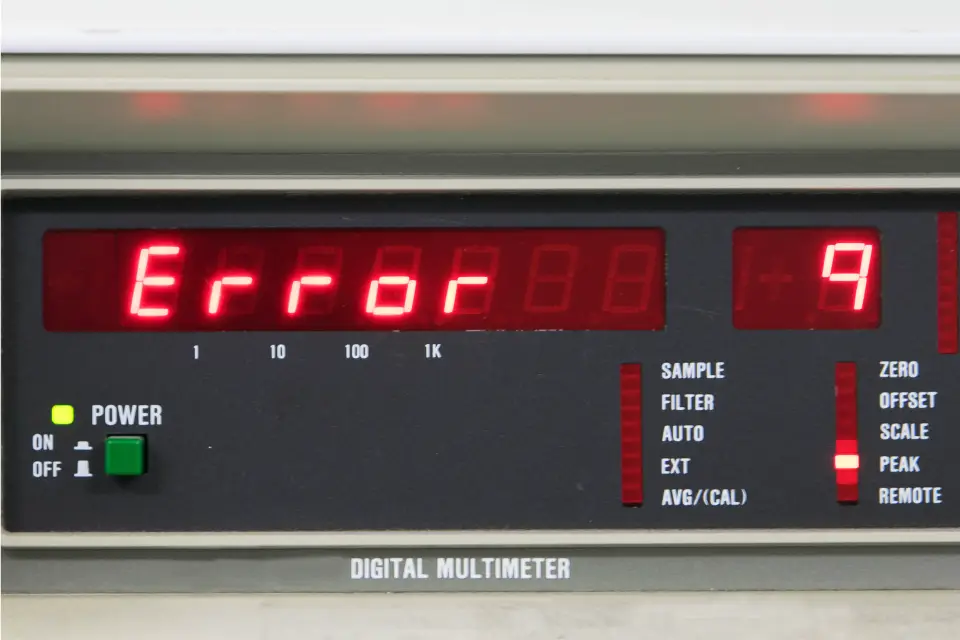
A close-up image of a digital multimeter showing “Error,” representing electrical measurement errors.

5 Common Electrical Measurement Errors and How to Avoid Them

In electrical systems, accurate electrical measurement is critical for maintaining performance, ensuring safety, and reducing electrical measurement errors. However, electrical measurement errors can occur at any stage, and they often go unnoticed until they cause significant issues. From industrial automation to routine maintenance, accurate measurement  is essential for enabling proper evaluation. Even experienced professionals can make errors that lead to incorrect readings and unintended consequences. Electrical measurement errors can affect system efficiency, increase maintenance requirements, and compromise operational safety.

Understanding Electrical Measurement Errors

Electrical measurement errors are the deviations between the actual value of an electrical quantity and the value obtained using an electrical measuring instrument. In practical applications, electrical measurement errors typically occur due to electrical measuring instruments, environmental conditions, or human factors, affecting the accuracy and reliability of measurements.

Understanding the causes of electrical measurement errors improves measurement accuracy and ensures reliable system performance.

Using an Inappropriate Measuring Instrument

Using an inappropriate measuring instrument is a common source of electrical measurement errors. Measuring instruments are designed with specific ranges, specific functions, sensitivities, and accuracy levels. When an instrument does not match the measurement requirement, the readings may not reflect the true value. For instance, using an instrument with low sensitivity may fail to detect small changes in the measured quantity. This leads to inaccurate interpretation of electrical parameters.

Skipping Calibration of Instruments

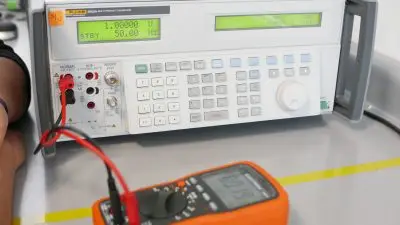
Skipping calibration of instruments leads to electrical measurement errors because measurement instruments do not maintain perfect accuracy over time. Due to aging components, wear, and environmental exposure, instruments typically exhibit drift, which causes consistent deviation in readings. If calibration is not performed, this deviation remains unnoticed and affects all subsequent measurements. This type of error is systematic and can significantly impact testing and monitoring processes. For instance, a voltage measuring instrument that has not been calibrated may consistently show a higher or lower value than the actual voltage, leading to inaccurate results over time.

Calibration setup with a digital multimeter connected to a calibrator to reduce electrical measurement errors.

Improper Observation of Readings

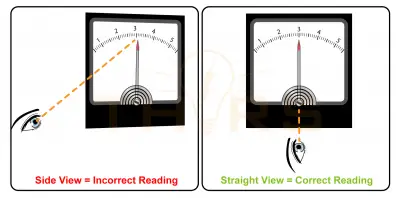
Improper observation of readings can lead to electrical measurement errors. Misreading the scale, recording incorrect values, or observing the instrument from an improper angle leads to inaccurate results. In analog instruments, parallax error is a common issue where the pointer appears to indicate different values depending on the viewing angle. These errors arise due to limitations in human observation and can affect measurement accuracy. For instance, when reading an analog meter from an angle instead of directly in front, the pointer may appear to indicate a different value.

Incorrect side view and correct straight view readings of an analog electrical meter showing electrical measurement errors.

Ignoring Environmental Factors

Ignoring environmental factors such as temperature, humidity, and electromagnetic fields can affect measurements. These factors can alter the internal characteristics of measuring instruments and introduce deviations in readings. For instance, temperature variations and external electromagnetic fields may distort signals. These influences are not always visible but can significantly impact measurement accuracy.

Relying on a Single Measurement

Relying on a single measurement can lead to inaccurate results because measurements can vary. Readings may fluctuate due to random noise, minor system instabilities, or transient disturbances. Consequently, a single reading may not accurately represent the true value of the measured quantity. For instance, measuring a fluctuating quantity only once may give a value that is higher or lower than the actual average.

Minimizing Electrical Measurement Errors

Electrical measurement errors can be minimized by following proper measurement practices such as:

• Ensuring proper instrument selection and regular calibration based on the required range, sensitivity, and accuracy
• Applying correct measurement techniques by observing readings carefully and using proper viewing positions
• Controlling environmental conditions to reduce external influences
• Improving measurement reliability by taking multiple readings and using the average value

Conclusion

Following these practices helps reduce electrical measurement errors and ensures accurate and consistent results for maintaining system performance, ensuring safety, and supporting effective decision-making. For those looking to develop a strong foundation in electrical measurement, the THORS Electrical Measurement Basics course offers a comprehensive introduction to electrical measurement concepts and commonly used measuring instruments.

An icon representing Measurement System Analysis (MSA) best practices, touched by a person in the background.

Measurement System Analysis (MSA) Best Practices for Reliable Results

Measurement is the cornerstone of quality assurance in manufacturing. Measurement System Analysis (MSA) best practices play a critical role in ensuring reliable results. MSA includes the processes, tools, and personnel used to analyze measurement systems and ensure consistent measurements. Measurement systems can also have inherent flaws. Minimizing these flaws is crucial and requires adopting best practices for effective MSA.

The following best practices support more effective and reliable MSA.

Clearly Define Objectives

Setting clear objectives for MSA before starting the process is essential. Well-defined goals help align your methods and analyses. It is not enough to set goals; they must be specific, as vague objectives do not guide a detailed analysis. For instance, are you evaluating a new gage or one that is frequently used in a production lab? Are you aiming to assess the consistency of your measurement system? Answering these questions helps you focus on gathering specific data. This approach saves time.

Standardize the Process

The importance of standardization in MSA cannot be overstated. The procedure should be documented, including the required instruments, adopted methods, and ideal environmental conditions for accurate measurements. Once these requirements are documented, operators should be trained to perform the analysis effectively. Operators lacking essential skills or knowledge of best practices can introduce significant errors that undermine the credibility of the analysis.

Focus on Continuous Improvement

Continuous improvement is key to effective analysis. The tools and methods used in MSA should be periodically reviewed and reassessed to identify shortcomings in the system. One such shortcoming commonly found in MSA across industries is the over-reliance on numerical calculations while neglecting graphical analysis tools. Research shows that various graphical tools can reveal the root causes of measurement system variability that numbers alone can miss. Insights gained from these periodic reviews can help identify areas for improvement, which enhances the efficiency and accuracy of analysis methods.


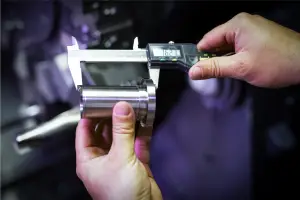
An inspector measuring a component as part of Measurement System Analysis (MSA) best practices.

Conclusion

The pursuit of quality in manufacturing is an ongoing journey, with MSA serving as a critical guide. By clearly defining objectives, standardizing processes, focusing on continuous improvement, and incorporating advanced technological tools, organizations can enhance the reliability and accuracy of measurement systems. These Measurement System Analysis (MSA) best practices not only safeguard the reliability of measurements but also lead manufacturing processes toward greater efficiency and quality.

Interested in learning more about MSA? Check out THORS’ latest course, Measurement System Analysis.

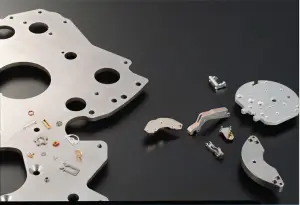
Fine blanking presses can manufacture multi-level parts and part features.

Fine Blanking Presses: What Makes Them Unique?

What is fine blanking?

Fine blanking is a metal forming process that uses fine blanking presses to achieve significantly greater part precision than conventional stamping. Fine blanking offers several benefits for final part features, including straight cut edges, excellent flatness, and tight tolerances on dimensional features. It provides clean sheared edges, without the need for further machining or cleaning. In contrast, stamped parts typically require grinding, broaching, or other machining processes to form a clean edge that is usable for the final part application. Manufacturers use fine blanking to create a variety of parts for automotive, hydraulics, and electronics industries.

A variety of part shapes manufactured using the fine blanking process.

What equipment is used for fine blanking?

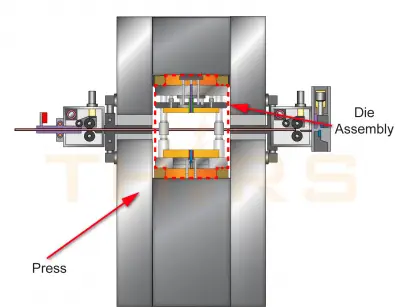
Fine blanking equipment consists of two major components: the die assembly and the press. The die assembly is a collective set of die components that work together to form the part during fine blanking, and its design varies depending on the part profile and the sequence of operations, which results in different die types. The press is the machine that provides the force required for the fine blanking operation, ensuring precision and smooth shearing of the material.

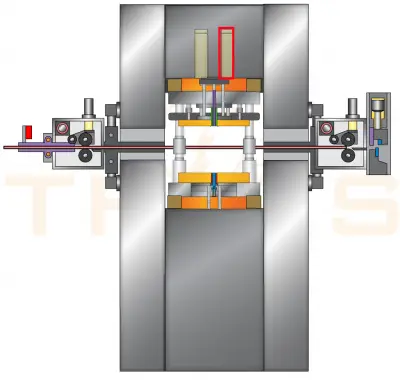
A fine blanking press used in metal forming operations, with the die assembly visible.

What is unique about fine blanking presses?

Fine blanking presses apply high, precisely controlled forces to the die assembly and, as triple action presses, deliver three types of pressure during the process.

1. Blanking pressure, which provides the cutting or blanking force. This force is standard for most stamping and blanking processes.

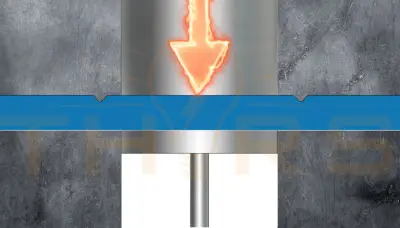
Fine blanking pressure is applied vertically on a raw material strip.

2. Counterpressure, which provides constant opposing force against the blanking pressure. This force is unique to fine blanking processes.

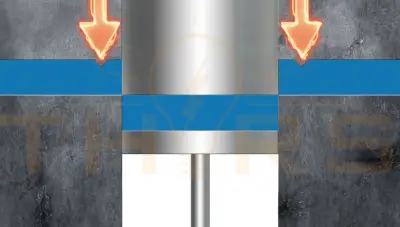
Counterpressure for fine blanking is applied simultaneously with the blanking pressure.

3. V-ring pressure, which clamps the raw material strip to hold it in place. This force is also unique to fine blanking processes.

V-Ring pressure is applied in fine blanking to grip the raw material strip and hold it in place.

To produce parts with minimal bulging, fine blanking presses are equipped with center support rings, which help transfer uniform pressure from the press frame to the die assembly. Typically, the center of the press table is a cutout to accommodate the die assembly, which creates a weak section over the cutting and forming area of the die assembly.

Without center support rings, deflection of the guide plate and die plate will occur. Deflection can lead to tool misalignment, tool damage, and quality issues in the blanked parts.

A center support ring provides stability to the fine blanking press.

Conclusion

Understanding more about the equipment, processing steps, and manufacturing capabilities of fine blanking is important for anyone in metal forming and related industries. The fine blanking process has shown consistent results and high repeatability when implemented correctly. However, the best way to ensure proper fine blanking procedures is to be educated on the subject.

THORS delivers key fine blanking knowledge through our visual and interactive Fine Blanking Fundamentals course. You can also explore a comprehensive manufacturing excellence library that highlights proven improvement methods used across the industry. Visit our website to build your team’s knowledge and develop stronger manufacturing capabilities with high quality training.

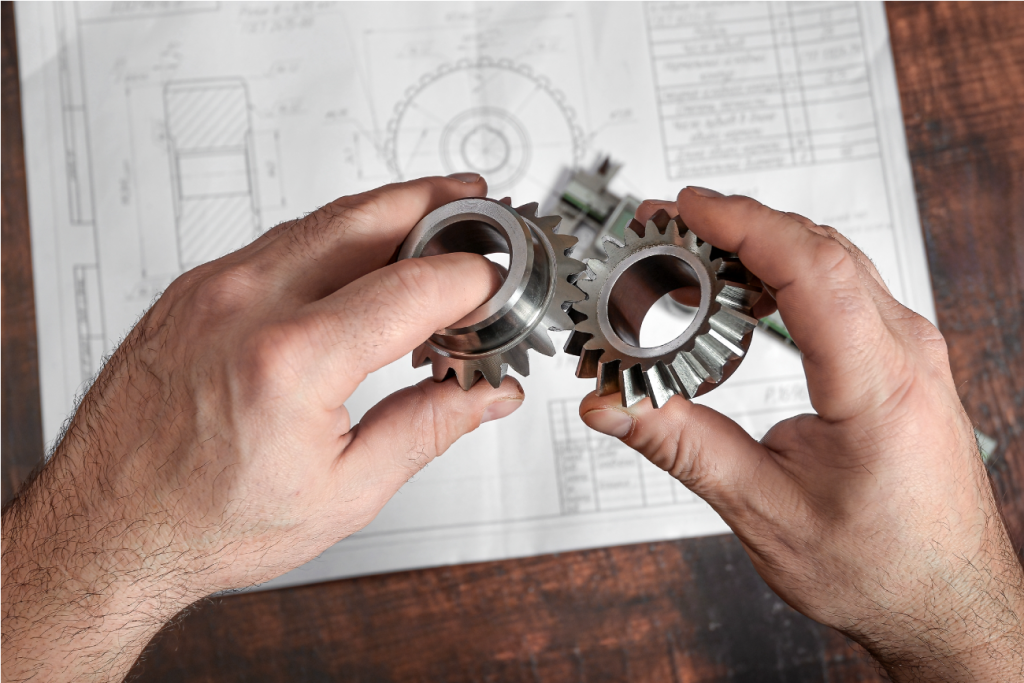
An engineer examining bevel gears over engineering drawings before bevel gear testing.

5 Key Reasons Why Bevel Gear Testing Matters

Bevel gear testing is essential because bevel gears are critical components used to transmit motion between intersecting shafts in automotive systems, industrial machinery, and aerospace applications. These gears often operate under heavy loads and high torque, so even a small defect in a bevel gear can lead to failures, inefficiencies, or safety risks.

Bevel gear testing is necessary to validate their performance under real operating conditions, ensuring accurate tooth alignment, proper tooth contact patterns, and reliable power transmission between mating gears.

Below are five key reasons why bevel gear testing matters, explained in detail with examples.

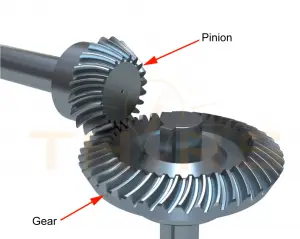
An illustration of bevel gear and pinion meshing during bevel gear testing.

1. Ensures Accurate Load Transmission

Bevel gear testing plays a critical role in ensuring accurate load transmission by confirming proper tooth contact, alignment, and uniform torque distribution under real operating conditions. It evaluates tooth contact patterns to ensure that the load is evenly shared across the tooth surface rather than concentrated at specific points. Proper testing also checks backlash and mounting alignment to prevent uneven meshing, excessive vibration, and noise.

For example, in an automotive differential system, bevel gear testing ensures that torque is evenly transmitted to both drive wheels. If the contact pattern is uneven, one side may experience higher stress, leading to accelerated wear, noise, and reduced vehicle performance.

2. Detects Manufacturing Defects

Bevel gear testing plays a crucial role in ensuring the reliability and performance of bevel gears by detecting manufacturing defects. It identifies defects such as micro-cracks, surface pitting, material discontinuities, and improper heat treatment that may reduce load-carrying capacity. Non-destructive testing methods, including ultrasonic inspection, dye-penetrant testing, and magnetic particle inspection, enable the detection of both internal and surface irregularities without damaging the gear. Testing also verifies hardness, surface finish, and material properties to confirm compliance with design specifications.

For example, in wind turbine gearboxes, an undetected defect in a single bevel gear can result in premature failure, costly downtime, and significant maintenance expenses.

3. Improves Efficiency and Performance

Bevel gear testing improves efficiency and overall performance by ensuring smooth and consistent gear operation under working conditions. It evaluates transmission error, vibration, and noise to confirm that power is transferred steadily between mating gears. Irregular meshing or excessive vibration can increase friction, generate heat, and reduce mechanical efficiency. By identifying these issues, testing helps maintain stable operation and optimal energy use.

For example, in industrial conveyor systems, properly tested bevel gears operate with reduced vibration and lower power loss, resulting in smoother motion and improved efficiency.

4. Enhances Durability and Lifespan

Bevel gear testing improves durability and service life by evaluating how bevel gears withstand repeated stress and high torque over time. It assesses fatigue strength and overall structural integrity under normal operating loads. Repeated load testing helps identify potential failure areas, such as tooth root cracks or surface damage, before the gear is placed in service. Hardness testing and material evaluation ensure that heat treatment provides adequate strength and wear resistance. Detecting defects or material weaknesses reduces the risk of premature failure and costly downtime.

For example, in heavy-duty truck differentials, bevel gears experience continuous torque fluctuations and shock loads. Proper testing ensures the gears can endure these repeated cycles without fatigue failure, extending operational lifespan and reducing maintenance frequency.

5. Supports Compliance and Quality Standards

Bevel gear testing is essential to ensure that bevel gears comply with recognized industry standards such as AGMA and ISO specifications. It verifies critical parameters, including tooth geometry accuracy, surface finish, material properties and hardness, and backlash tolerances to confirm conformity with design and performance requirements. Inspection and performance test results provide documented evidence that the gear meets prescribed safety and load-carrying criteria. Testing also supports verification that manufacturing and assembly processes satisfy established quality control requirements.

For example, in automotive transmission systems, bevel gears must meet strict dimensional and performance standards to ensure smooth power delivery and passenger safety. Testing ensures that each gear is inspected and approved against the required tolerances and strength specifications before being released for production use.

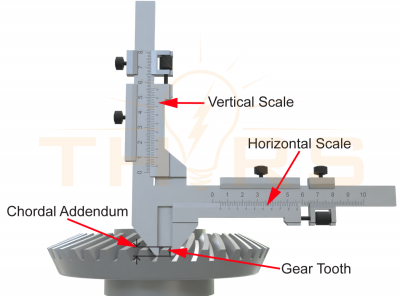
An illustration of tooth thickness measurement to ensure accurate tooth geometry in bevel gear testing.

Conclusion

Bevel gear testing ultimately brings all aspects of gear performance together, ensuring accurate load transmission, detecting manufacturing defects, improving efficiency, enhancing durability, and supporting compliance with industry standards. By validating these critical factors, it ensures each component can handle real-world demands with consistency and reliability across industries.

Do you want to learn more about bevel gear testing? Visit our website explore our Gear Chart Interpretation: Elemental Measurements on Bevel Gears course.

what is EMC in Automotive Wiring Harness Design?

EMC in Automotive Wiring Harness Design: Key Principles and Best Practices

What Is EMC in Automotive Wiring Harness Design?

Electromagnetic Compatibility (EMC) in automotive wiring harness design is the ability of a wiring harness and its connected electrical equipment to operate correctly within the vehicle’s electromagnetic environment – without generating excessive Electromagnetic Interference (EMI) and without being adversely affected by EMI from other electrical or electronic sources.

The wiring harness acts as the central nervous system of a modern vehicle, which is packed with dozens of Electronic Control Units (ECUs), sensors, high-speed data networks, and electric powertrains. In this complex environment, EMC ensures that electrical systems function reliably without causing or suffering from interference. Without proper EMC control, even a perfectly functional electrical circuit can fail under real-world vehicle conditions.

EMC compliance standards are defined by the Special Committee on Radio Interference (CISPR), International Organization for Standardization (ISO), and Society of Automotive Engineers (SAE).

5 EMC Design Strategies in Automotive Wiring Harnesses

In automotive harness design, EMC is addressed through structured design strategies. These include maintaining adequate spacing between power and signal lines, implementing twisted pair wiring for communication lines, applying shielding, ensuring controlled grounding architecture, and managing  current return paths.

Each of these strategies helps reduce electromagnetic interference and maintain signal integrity within the vehicle environment.

1. Maintaining Adequate Spacing Between Power and Signal Lines

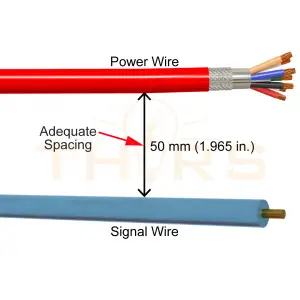
Adequate spacing between power and signal lines is essential to maintain EMC. Signal wires and cables must be kept at a safe distance from power wires and cables carrying high current to prevent EMI. A minimum distance of 50 mm (1.9685 in.) is typically required to maintain data integrity. Insufficient spacing can lead to electrical noise, crosstalk, and overall system malfunction. Proper separation reduces coupling between circuits and helps ensure stable system performance.

Adequate spacing between a signal wire and a power wire.
2. Implementing Twisted Pair Wiring for Communication Lines

Implementing twisted pair wiring for communication lines improves EMC performance by reducing EMI through electromagnetic field cancellation. Because automotive communication networks use differential signaling, the receiver processes only the voltage difference between the two conductors and rejects common-mode noise.

When two wires are twisted together, any external electromagnetic noise induces nearly equal voltages in both conductors. Twisting also minimizes the loop area between the wires, which reduces both radiated emissions and susceptibility to external interference. As a result, signal integrity is improved and overall electromagnetic compatibility of the wiring harness is enhanced.

Twisted pair wires used in vehicles.
3. Applying Shielding to Control EMI

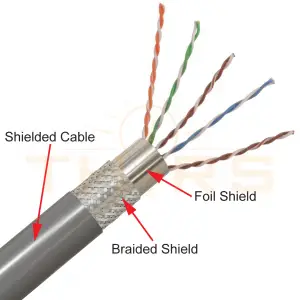
Applying shielding through components such as braided shields, foil shields, or shielded cables helps improve EMC by controlling EMI. A braided shield, made of woven metal strands, provides strong mechanical protection along with effective noise suppression. A foil shield, typically made of aluminum, offers high coverage and is particularly effective against high-frequency interference. A shielded cable combines protective layers around the conductors to block external noise from entering and to prevent internal signals from radiating outward.

When the shield is properly grounded, unwanted electromagnetic energy is safely diverted to ground, improving signal stability and overall electromagnetic compatibility in the wiring harness.

A shielded cable used in vehicles.
4. Ensuring a Controlled Grounding Architecture

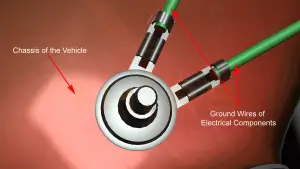
Ensuring a controlled grounding architecture supports EMC by providing a clear and stable path for return currents and unwanted electrical noise. Strategies such as direct grounding, star grounding, and the use of ground straps are commonly applied to manage current flow effectively.

Direct grounding connects equipment to a defined chassis ground point. Star grounding brings multiple grounds to a single common point to prevent ground loops. Ground straps provide low-resistance bonding between components and the vehicle body. These approaches prevent circulating currents and voltage differences that can create interference, allowing noise to dissipate safely and improving overall electromagnetic compatibility in the wiring harness.

Directing grounding in a vehicle.
5. Managing Current Return Paths

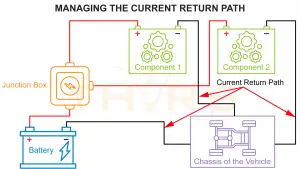
Managing current return paths is essential for EMC because it ensures that electrical current flows back to its source, typically the battery, through a controlled and predictable path. When return currents are routed close to their corresponding supply conductors, the loop area between the outgoing and return paths is minimized, reducing electromagnetic radiation and lowering interference.

If return currents take unintended paths through the chassis or other circuits instead of returning cleanly to the battery ground, they can spread electrical noise and disturb sensitive signals. By carefully managing return paths, unwanted emissions are reduced and signal integrity within the wiring harness is maintained.

Current return path in a vehicle.

Conclusion

In conclusion, EMC in automotive wiring harness design is not just a regulatory requirement but a fundamental design responsibility that directly affects vehicle reliability, safety, and performance. A well-designed harness ensures that every electrical equipment functions consistently in real-world operating conditions.

As vehicles continue to integrate more electronic systems and high-speed communication networks, strong EMC practices will remain essential to achieving stable, noise-free, and dependable vehicle operation.

Do you want to learn more about the electrical and mechanical principles of wiring harness integration? Visit our website and explore our Wiring Harness Integration Course.

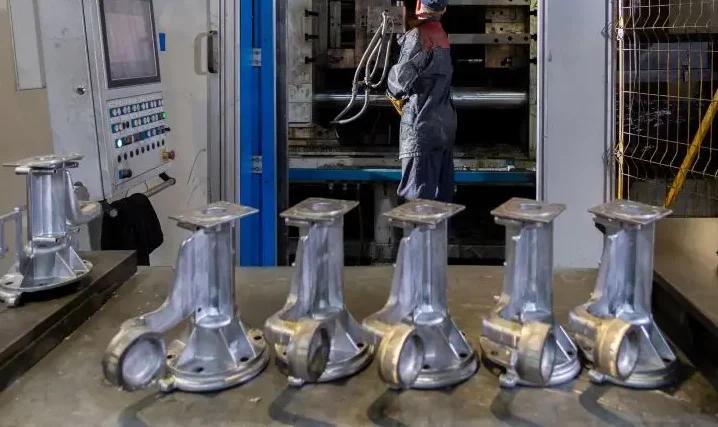
Industrial products made from aluminum

Why Heat Treatment Matters for Industrial Aluminum Products

Aluminum is widely valued for being lightweight, corrosion-resistant, and easy to fabricate. However, in its raw or untreated form, aluminum often falls short of the mechanical and dimensional stability required for demanding industrial applications.

This is where heat treatment of industrial aluminum products becomes essential. It is not simply a secondary manufacturing step; it is a critical process that determines how aluminum performs under stress, temperature variation, and long-term service conditions.

To understand why heat treatment matters, we must look beyond surface appearance and examine how aluminum behaves internally.

Heat Treatment of Aluminum

Industrial aluminum heat treatment is a controlled process in which aluminum is heated and cooled under specific conditions to alter its internal structure and improve its mechanical properties. Although aluminum alloys may be cast, rolled, or extruded into shape, these processes alone do not provide the strength, stability, or consistency required for most structural and high-performance applications.

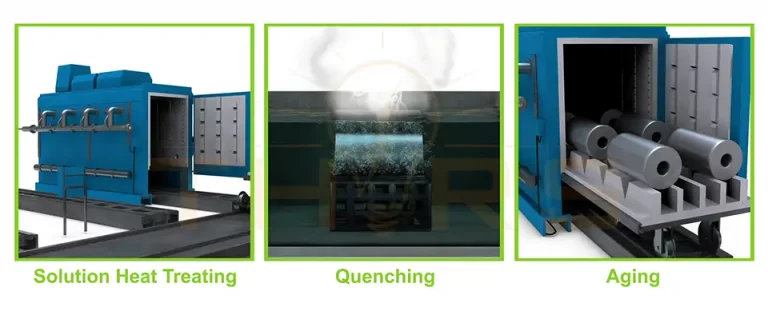
The heat treatment of aluminum typically involves three main stages, each serving a distinct purpose.

  1. Solution Heat Treating
    Solution heat treating involves heating the aluminum alloy to a temperature where alloying elements dissolve into the aluminum matrix. This creates a uniform microstructure and prepares the material for strengthening.
  2. Quenching
    Quenching follows solution heat treatment and involves rapidly cooling the material, commonly using water, polymer solutions, or air. Rapid cooling “locks” the alloying elements in place and prevents premature precipitation that would reduce strength.
  3. Aging (Natural or Artificial)

    Aging is the final stage, during which aluminum develops its full mechanical properties. Aging may occur naturally at room temperature or artificially at elevated temperatures. During this phase, fine precipitates form within the metal, significantly increasing strength and hardness.

Three main stages of heat treatment of aluminum products, solution heat treatment, quenching, and aging.

How Heat Treatment Improves Aluminum Properties

Untreated or poorly treated aluminum may appear acceptable externally, but its internal structure often reveals lower tensile and yield strength, inconsistent hardness, dimensional instability, and residual stresses from forming operations. Heat treatment addresses these limitations by enabling predictable and repeatable performance.

Increased Strength

One of the most common issues with untreated aluminum is softness. Without heat treatment, aluminum frequently lacks the strength required to withstand mechanical loads, making it unsuitable for load-bearing or high-performance applications.

Reduced Warping and Distortion

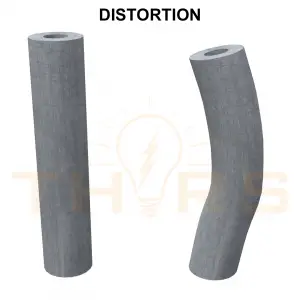
Another frequent issue is warping and distortion. Aluminum components that have not been properly stress-relieved tend to deform during machining, welding, or in service. This results in dimensional inaccuracies, poor fitment, and costly rework.

Prevention of Hidden Failures

More critically, some failures remain hidden. Internal stresses, uneven grain structures, or incomplete strengthening mechanisms may not be immediately visible. These defects often emerge later as cracking, fatigue failure, or premature wear, when the cost of failure is significantly higher.

Why Heat Treatment Is Critical Across Industries

Automotive

In the automotive industry, heat-treated aluminum enables vehicle weight reduction without compromising safety. Stronger aluminum components improve crash performance while contributing to improved fuel efficiency and electric vehicle range.

Aerospace

In aerospace applications, heat treatment is indispensable. Aircraft components must withstand extreme loads, temperature variations, and long fatigue cycles. Even minor deviations in material properties can pose serious safety risks.

Construction

In construction, heat-treated aluminum ensures that structural components maintain strength and dimensional accuracy over long service lives, particularly in load-bearing and architectural applications exposed to environmental stress.

Electronics and Precision Equipment

In electronics and precision equipment, heat treatment improves dimensional stability, allowing components to maintain tight tolerances during machining and operation.

The Cost of Getting Heat Treatment Wrong: Why Manufacturers Cannot Afford to Overlook It

When heat treatment is skipped, rushed, or poorly controlled, the consequences extend beyond material performance. The immediate impact is often seen on the shop floor, where manufacturers experience higher scrap rates, increased rework, and production delays caused by failed inspections or non-conforming parts.

In regulated or safety-critical industries, these failures can escalate into compliance violations, audits, or recalls, increasing both operational and legal risk. Beyond these direct costs lies a more lasting consequence: damage to brand credibility. Product failures in the field erode customer confidence, even when the root cause lies deep within the manufacturing process. Over time, recurring quality issues can undermine a manufacturer’s reputation, making recovery far more expensive than investing in proper heat treatment from the outset.

Making Heat Treatment a Quality Standard, Not a Checkpoint

One of the most common mistakes manufacturers make is treating heat treatment as a final checkpoint rather than a core quality standard. Effective heat treatment requires strict process control, including accurate temperature calibration, verified soak times, controlled quenching, and consistent aging conditions.

Equally important are testing and validation. Mechanical testing, hardness, and measurement inspections confirm that the process has delivered the intended results. To ensure consistency and compliance, many manufacturers align their heat treatment processes with established industry standards such as ASTM (American Society for Testing and Materials) and AMS (Aerospace Material Specifications). These standards define acceptable heat treatment practices, material properties, and testing requirements, helping manufacturers achieve repeatable quality and traceability across production batches.

When heat treatment is embedded into the quality system rather than treated as an afterthought, product consistency, performance, and reliability improve significantly.

Heat Treatment as a Safeguard for Performance and Reputation

Heat treatment is not just about making aluminum stronger. It is about making it reliable, predictable, and fit for purpose. Proper heat treatment safeguards in-service performance, protects manufacturers from costly failures, and upholds brand reputation in competitive markets.

As aluminum products are expected to deliver more strength with less weight and tighter tolerances, heat treatment is no longer optional. It is the silent process that determines whether an aluminum product merely exists or truly performs.


If you are interested in learning more about heat treating aluminum products, the THORS Heat Treating Aluminum Products course would be a good place to start.

Why Is PLC Ladder Diagram (LD) Widely Used in Industries? 

PLC Ladder Diagram (LD) is one of the most widely used programming languages in PLC programming. The term PLC Ladder Diagram, or Ladder Diagram, refers to the graphical programming language defined in the IEC 61131-3 standard for programmable logic controllers.

Industries prefer this ladder logic language because it offers simplicity, clarity, and a strong connection to traditional electrical control circuits. These characteristics make it highly effective for industrial automation applications.

Why PLC Ladder Diagram Is Easy to Understand and Learn

A ladder diagram is designed to look like traditional relay-based electrical control circuits. Because of its familiar structure, electricians, technicians, and engineers can understand the logic without requiring advanced software programming knowledge.

The symbols used, such as contacts, coils, timers, and counters, are intuitive and widely recognized. This makes PLC Ladder Diagram ideal for beginners and for teams with mixed technical backgrounds.

A Ladder Diagram Makes Troubleshooting and Maintenance Simple

One of the biggest advantages of a ladder diagram is how easy it is to troubleshoot. PLC software allows real-time monitoring, where energized contacts and outputs are highlighted during operation.

Maintenance engineers can quickly:

  • Identify faulty inputs or outputs
  • Track logic flow rung by rung
  • Fix issues without stopping the entire system

This reduces downtime and improves system reliability.

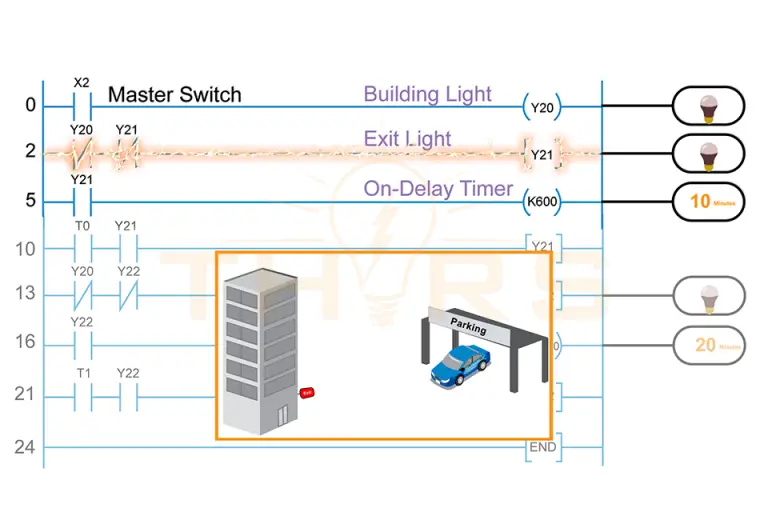
PLC ladder diagram showing master switch, building light, exit light, and timer-controlled parking lighting for an office building.

Strong Industry Acceptance of PLC Ladder Diagram

PLC Ladder Diagram is widely used across industries such as:

  • Manufacturing
  • Automotive
  • Food and beverage
  • Water treatment
  • Power generation

Most PLC platforms support Ladder Diagram programming, making applications portable and standardized across vendors. Its widespread use makes Ladder Diagram a reliable long-term skill for automation professionals.

Ladder Diagram Is Ideal for Discrete Control Applications

PLC systems often control on/off devices like motors, valves, sensors, and relays. Ladder Diagram is particularly well suited for this type of discrete control.

Operations such as these are straightforward to design and visualize using ladder diagrams:

  • Start/stop control
  • Interlocking
  • Safety logic
  • Sequential operations

Clear and Visual Logic Flow in PLC Ladder Diagram

Ladder diagrams represent program flow from left to right, similar to the way electrical current flows in a control circuit. This visual structure helps users quickly understand how inputs affect outputs.

Each rung performs a specific task, making programs:

  • Organized
  • Easy to read
  • Easy to modify or expand

This structured format improves clarity, especially in larger control systems.

Reliable and Deterministic Operation of Ladder Diagram Programs

PLCs execute Ladder Diagram programs using a predictable scan cycle. This ensures consistent and repeatable behavior, which is critical in industrial automation where timing and safety are essential.

Because PLC Ladder Diagram is structured and visually explicit, it reduces programming errors and supports stable system performance.

Ladder Diagram and Industrial Safety Standards

Many safety PLCs and safety-related control systems use Ladder Diagram due to its clarity and traceability. Its visual logic makes programs easier to review, validate, and certify in accordance with industrial safety standards.

This is especially important for applications involving emergency stops, machine guarding, and interlocking systems.

Ladder Diagram in Modern Automation

Even in modern automation, Ladder Diagram remains highly relevant. It integrates well with:

  • HMIs
  • SCADA systems that integrate with PLC Ladder Diagram
  • Industrial communication networks
  • Advanced PLC architectures

Many modern PLCs allow Ladder Diagram to be used alongside Structured Text and Function Block programming within the same project.

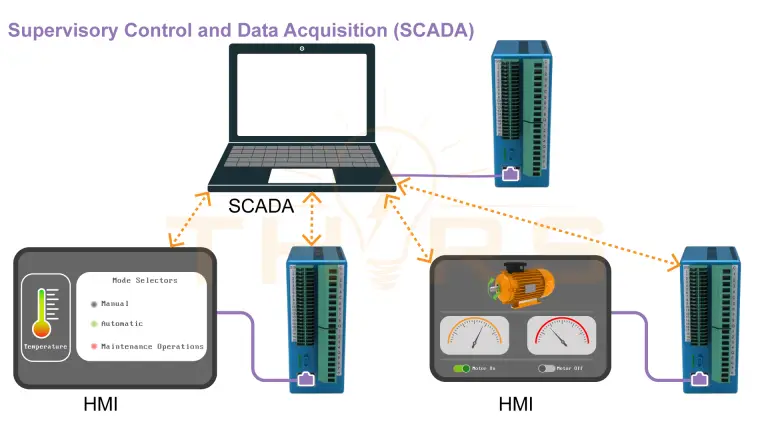
SCADA architecture with a PC connected to PLCs and HMIs displaying temperature and motor status.

Conclusion

PLC Ladder Diagram remains one of the most practical and widely used programming languages for PLC systems. Its visual structure, reliability, and ease of maintenance make it well suited for industrial automation applications.

By closely reflecting electrical control logic, Ladder Diagram provides clarity and consistency in environments where safety, uptime, and predictable operation are critical. For both beginners and experienced professionals, it continues to be a dependable and industry-proven PLC programming language.

Are you interested in learning more about PLC programming? The THORS Programmable Logic Controller (PLC) Programming course would be a good place to start.

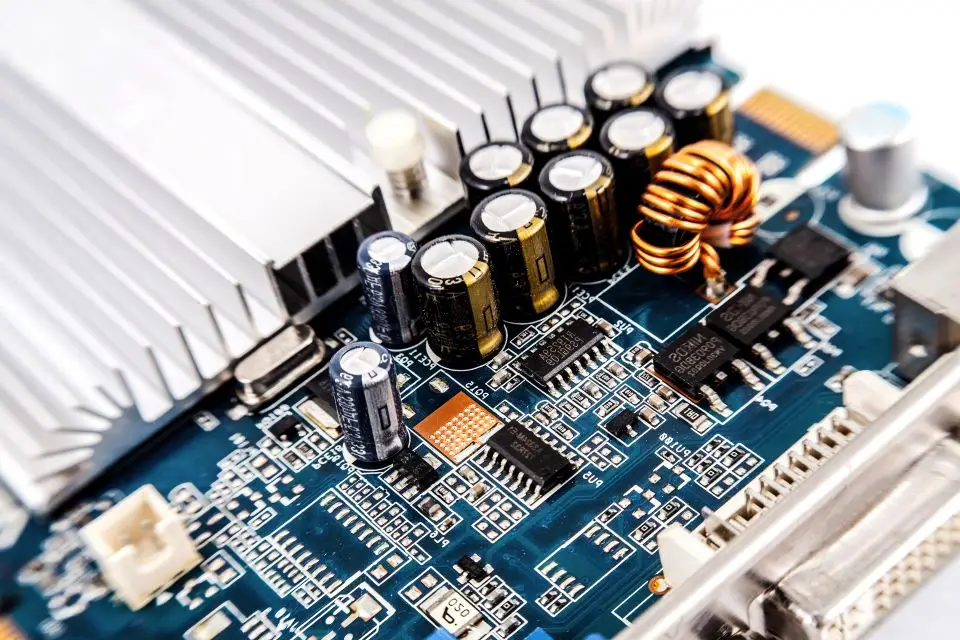
An electronic project with a motherboard and various connected wires and components.

Power Converters Explained: AC to DC, DC to AC, AC to AC, and DC to DC

In electronics, power converters are devices that transform an input signal from one state or voltage level to another, enabling efficient energy transfer and utilization. This conversion provides the required current or voltage to meet specific application needs. Typically, a power converter requires power semiconductor devices and control circuits to perform the conversion process. 

An important aspect of power conversion is electrical signal conditioning, which involves filtering noise to produce a clean and stable output signal. The main types of power converters include AC to DC converters, DC to AC converters, AC to AC converters, and DC to DC converters.

What is an AC to DC Converter?

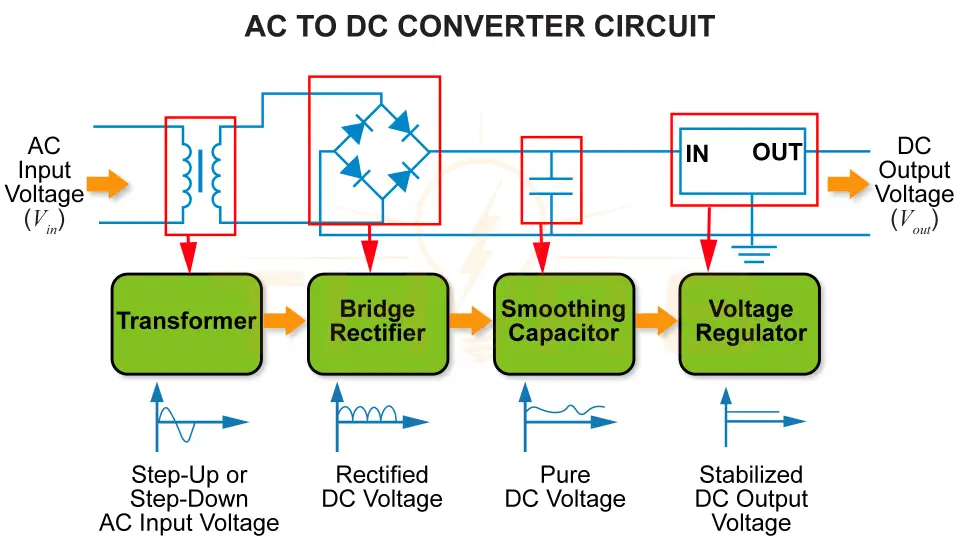
An AC to DC converter, also known as a rectifier, is an active electronic circuit that converts an AC input voltage into a DC output voltage using diodes. AC to DC converters are most commonly found in consumer electronic devices such as televisions, computer systems, and battery chargers.

Components of an AC to DC Converter Circuit

An AC to DC converter circuit is built using a transformer, a bridge rectifier, a smoothing capacitor, and a voltage regulator.

Transformer

  • Used to step up or step down the input AC voltage depending on the requirement

Bridge Rectifier

  • Composed of four diodes
  • Converts the AC input voltage to rectified DC voltage

Smoothing Capacitor

  • Filters the rectified DC voltage
  • Helps produce a smoother and more consistent DC voltage by reducing ripple

Voltage Regulator

  • Maintains a stable DC output voltage
  • Ensures consistent voltage despite fluctuations in the circuit
A diagram of an AC to DC power converter circuit consisting of a transformer, bridge rectifier, smoothing capacitor, and voltage regulator.

What is a DC to AC converter?

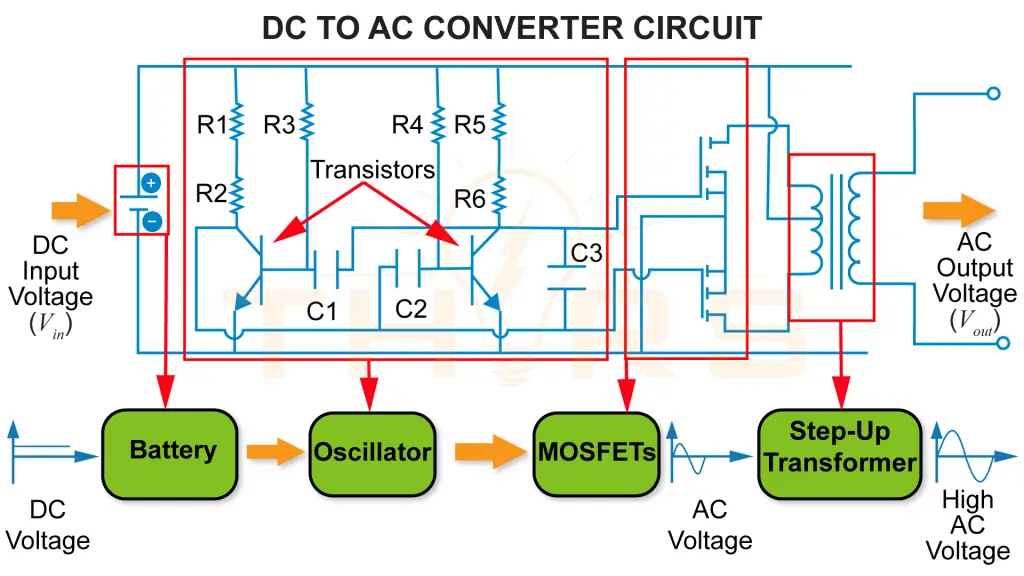
A DC to AC converter, also known as an inverter, is an active electronic circuit that converts a DC input voltage into an AC output voltage. DC to AC converters are commonly used in car power outlets, solar power systems , and Uninterruptible Power Supply (UPS) devices.

Components of a DC to AC Converter Circuit

A DC to AC converter circuit is built using an oscillator, Metal Oxide Semiconductor Field Effect Transistors (MOSFETs), and a step-up transformer.

Oscillator

  • Interrupts the DC input voltage from the battery at periodic intervals
  • Converts steady DC into a pulsed signal to mimic AC

MOSFETs

  • Act as electronic switches controlled by the oscillator
  • Help generate alternating current from the pulsed DC

Step-up Transformer

  • Increases the resulting AC voltage to a higher level
  • Delivers high AC voltage as the output
A diagram of a DC to AC power converter circuit consisting of a battery, oscillator, MOSFETs, and step-up transformer.

What is an AC to AC converter?

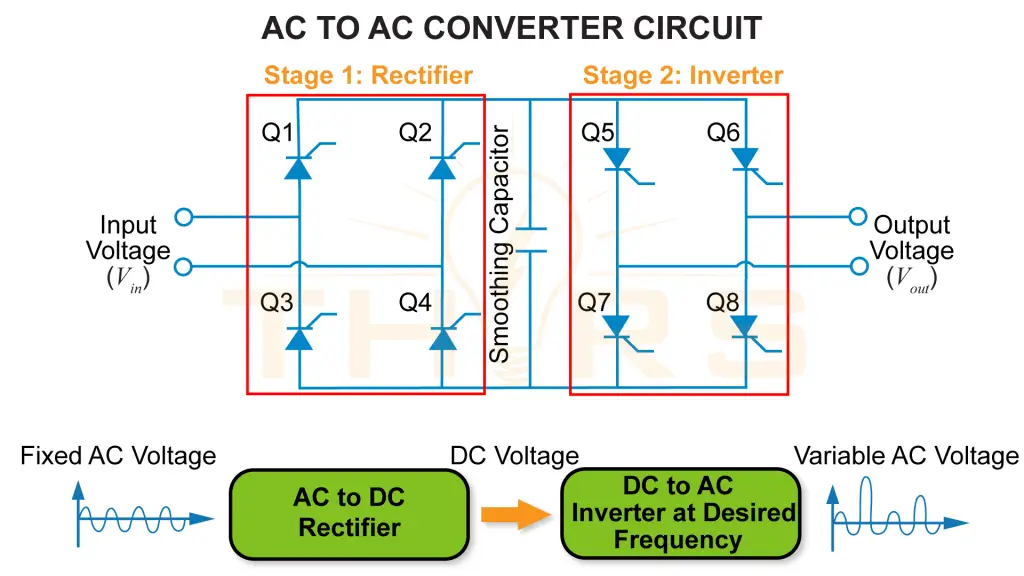
An AC to AC converter, also known as a voltage regulator, is an active electronic circuit that converts a fixed AC voltage to a variable AC voltage, or a variable AC voltage to a fixed AC voltage. These converters are commonly used in speed control systems and applications that require a variable voltage levels.

A back-to-back converter is an example of an AC to AC converter.

Components of Back-to-Back Converter Circuit

A back-to-back converter circuit consists of a rectifier and an inverter connected in series. It typically uses eight Insulated Gate Bipolar Transistors (IGBTs) with freewheeling diode pairs that act as switching devices.

Stage 1: Rectifier

  • Converts the input AC voltage into DC
  • Filters out ripple with a smoothing capacitor to produce a smoother output

Stage 2: Inverter

  • Converts the DC voltage back into AC
  • Alters the frequency to convery fixed AC voltage to variable AC voltage, or vice versa
A diagram of an AC to AC power converter circuit consisting of an AC to DC rectifier and a DC to AC inverter.

What is a DC to DC converter?

A DC to DC converter, also known as a chopper, is an active electronic circuit that changes the voltage level of a DC source to the required output level. The variation in output depends on the duty cycle, which is the ratio of the time the switch is ON during each cycle to the total cycle time.

If the duty cycle is less than 0.5, the DC to DC converter operates in buck mode to step down the output voltage. If the duty cycle is greater than 0.5, the converter operates in boost mode to step up the output voltage.

Components of a DC to DC Converter Circuit

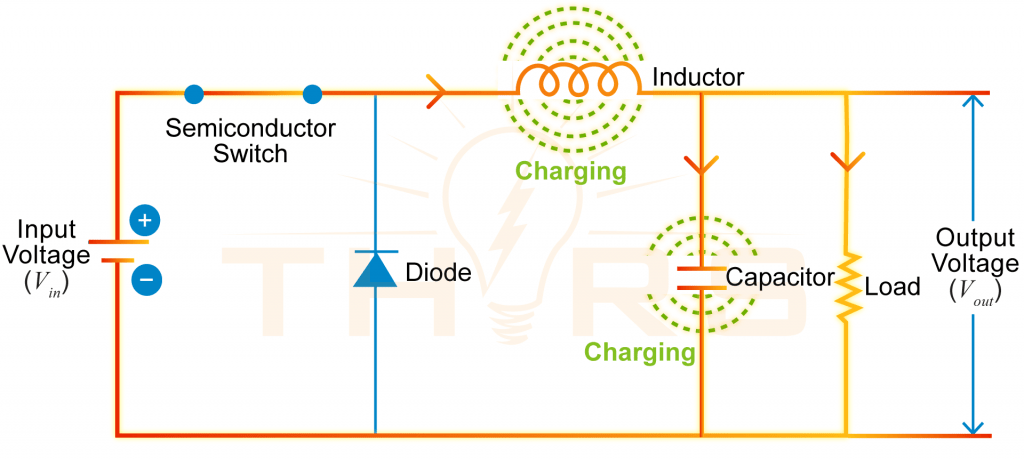
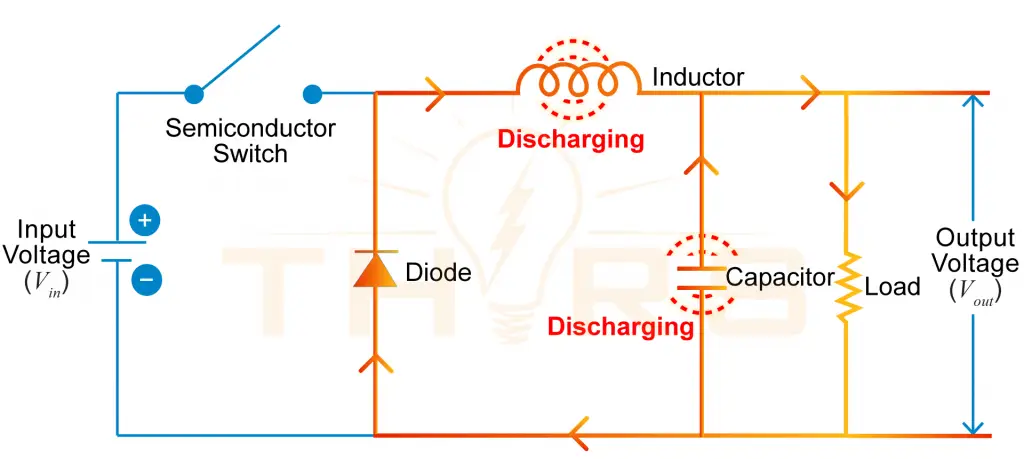
A DC to DC converter circuit consists of a semiconductor switch, typically a MOSFET, an inductor, a capacitor, and a freewheeling diode.

Semiconductor Switch

  • Turns current flow ON and OFF rapidly to control energy transfer
  • Regulates the duty cycle, which determines the output voltage

Inductor

  • Stores energy when the semiconductor switch is ON
  • Releases stored energy to the load when the semiconductor switch is OFF

Capacitor

  • Filters and smooths the output voltage by reducing ripple
  • Acts as a temporary energy reservoir to supply current to the load freewheeling diode
  • Provides a current path when the switch is OFF
  • Allows the inductor and capacitor to discharge safely
A diagram of a buck-type DC to DC power converter circuit showing the direction of current flow during the semiconductor switch OFF state.

A diagram of a buck-type DC to DC power converter circuit showing the direction of current flow during the semiconductor switch ON and OFF states.

Whether converting AC to DC, DC to AC, AC to AC, or regulating DC voltage levels, power converters play a vital role in ensuring stable and reliable power delivery. In addition to power converters, many other active electronic circuits are used across a wide range of modern electronic applications.

For those looking to build a solid foundation in this area, the THORS Active Electronic Circuit Basics course offers a comprehensive introduction to commonly used circuits built with active components and serves as an excellent starting point for students and professionals alike.

Take Your Technical Knowledge to the Next Level

See how the THORS Academy courses and AI tools can help you master industry-relevant knowledge and perform at your best.