THORS eLearning Solutions

Statistics Basics

The THORS Statistics Basics course is designed to provide learners with an understanding of essential concepts such as data types, central tendency, data variation, and data visualization. The course also explains various key methods used to analyze data, including sampling methods, data distributions, variable relationships, outlier identification, the Central Limit Theorem (CLT), and hypothesis testing. Learners will also gain an understanding of factor effects and factor interactions, as well as major principles of experimental design. Ready to take the next step? Explore the course details and see everything we’ve packed into this program!

Learning Hours: 1.5

Representative or member of a corporation, educational institution, or trade organization? Contact us to discuss special pricing and additional benefits, including course activity reports for your group.

Contact Sales For Group Pricing

Purchase 30 Day Access

Course Description

The THORS Statistics Basics course offers a comprehensive overview of basic statistical concepts and methods of data analysis. This course provides a fundamental understanding of the different data types, central tendency, data variation, and data visualization. Learners are then introduced to various concepts and methods of analyzing data including sampling methods, data distribution, variable relationships, hypothesis testing, and experimental design.

YouTube player

Who will benefit from this statistics course?

Marketing, Sales, Design, Engineering (Product and Process), Purchasing, Manufacturing, Quality, and Service functions at organizations that require an understanding of statistics

Course Classification

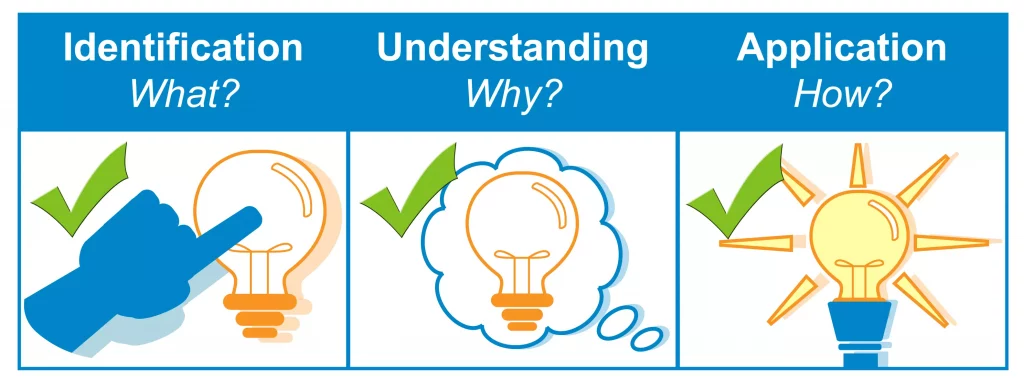
This manufacturing course by THORS eLearning Solutions covers identification of key terms, understanding of key concepts, and application of the covered topics.

*THORS uses the Bloom’s Taxonomy Methodology for our course development.

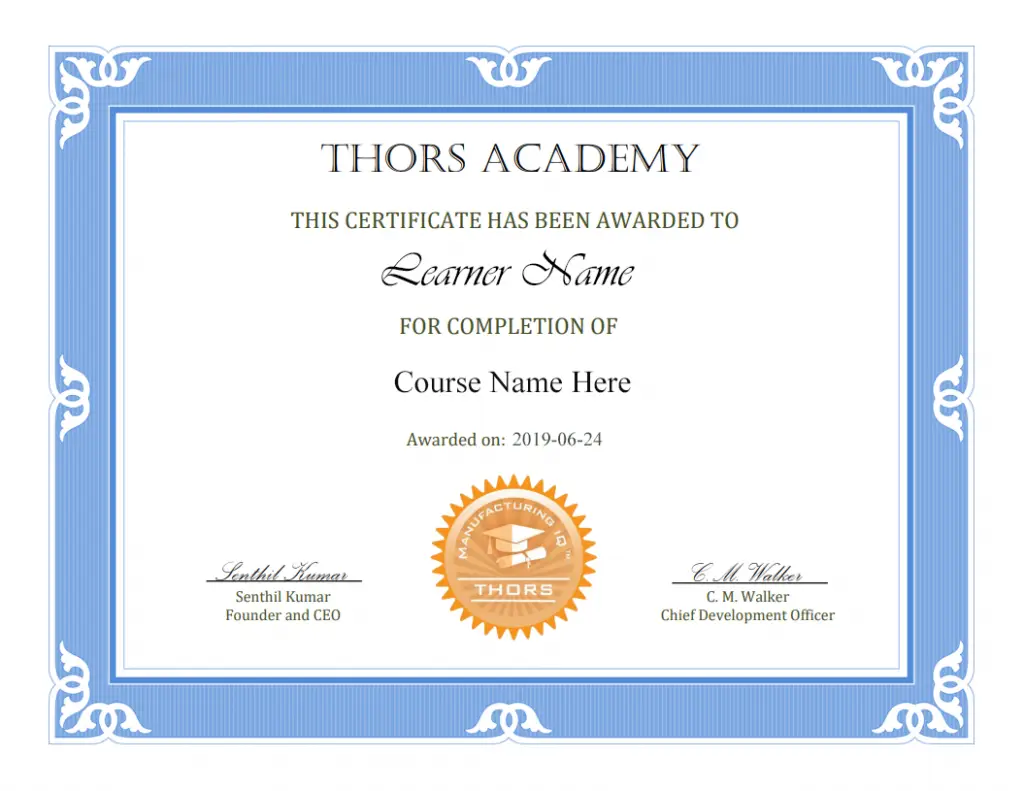
Certificate Awarded for Statistics Basics

Example of certificate awarded upon successful completion of the course.

*upon successful completion

Related Posts

Learning Objectives

  1. Develop an understanding of different types of data.
  2. Identify the measures of central tendency and data variation.
  3. Gain an understanding of data visualization techniques.
  4. Understand key concepts such as population and sample and sampling methods used.
  5. Explain the characteristics and types of data distribution.
  6. Analyze variable relationships and hypothesis testing.
  7. Elaborate factor effects, factor interactions, and the major principles of experimental design.
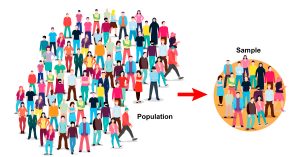
In statistics, a sample is a subset of the population selected for analysis.
Statistics Basics Course

Table of Contents

  1. Data
    1. Data Types
      1. Quantitative Data
        1. Continuous Data
          1. Dependent Variable
          2. Independent Variable
        2. Discrete Data
      2. Qualitative Data
    2. Central Tendency
      1. Mean
      2. Median
      3. Mode
    3. Data Variation
      1. Range
      2. Standard Deviation
      3. Coefficient of Variation (CV)
      4. Degrees of Freedom
    4. Data Visualization
      1. Histogram
      2. Box Plot
      3. Scatter Plot
      4. Line Chart
      5. Pareto Chart
  2. Data Analysis
    1. Population and Sample
    2. Sampling Methods
    3. Data Distribution
      1. Characteristics
        1. Skewness
        2. Kurtosis
      2. Types
        1. Normal Distribution
        2. Binomial Distribution
        3. Poisson Distribution
    4. Variable Relationships
      1. Correlation
      2. Regression
    5. Outlier Identification
      1. Visual Methods
      2. Statistical Methods
    6. Central Limit Theorem (CLT)
    7. Hypothesis Testing
      1. t-test
      2. Chi-Square Test
      3. Z-Test
      4. Analysis of Variance (ANOVA)
      5. p-Value
      6. Confidence Level
    8. Factor Effects
    9. Factor Interactions
    10. Experimental Design
      1. Replication
      2. Randomization
      3. Blocking

Request Course Demo