
THORS eLearning Solutions

Aluminum Rolling Basics

The THORS Aluminum Rolling Basics course is designed to provide learners with an understanding of the essential aspects of aluminum rolling, including the components of the rolling mill, the support systems, and the auxiliary equipment. The course also explains the rolling process in detail, covering the process steps and finishing steps. Ready to take the next step? Explore the course details and see everything we’ve packed into this program!

Learning Hours: 2

Representative or member of a corporation, educational institution, or trade organization? Contact us to discuss special pricing and additional benefits, including course activity reports for your group.

Contact Sales For Group Pricing

Purchase 30 Day Access

Course Description

The THORS Aluminum Rolling Basics course covers the major components of a rolling mill, the support systems essential for operation, and the auxiliary equipment commonly used in production. In addition, the course provides detailed explanations of the rolling process, including both the process steps and the final finishing steps. Presented in THORS’ highly visual and interactive learning format, this course helps learners develop a clear, well-rounded understanding of how aluminum rolling is performed in a rolling mill.

YouTube player

Who will benefit from this aluminum rolling course?

Sales, Purchasing, Manufacturing Engineering, Quality, and Design Engineering

Course Classification

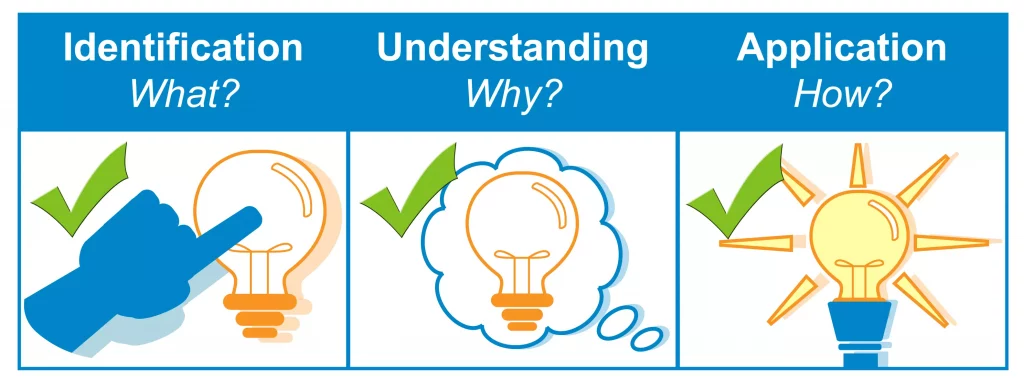
This manufacturing course by THORS eLearning Solutions covers identification of key terms, understanding of key concepts, and application of the covered topics.

*THORS uses the Bloom’s Taxonomy Methodology for our course development.

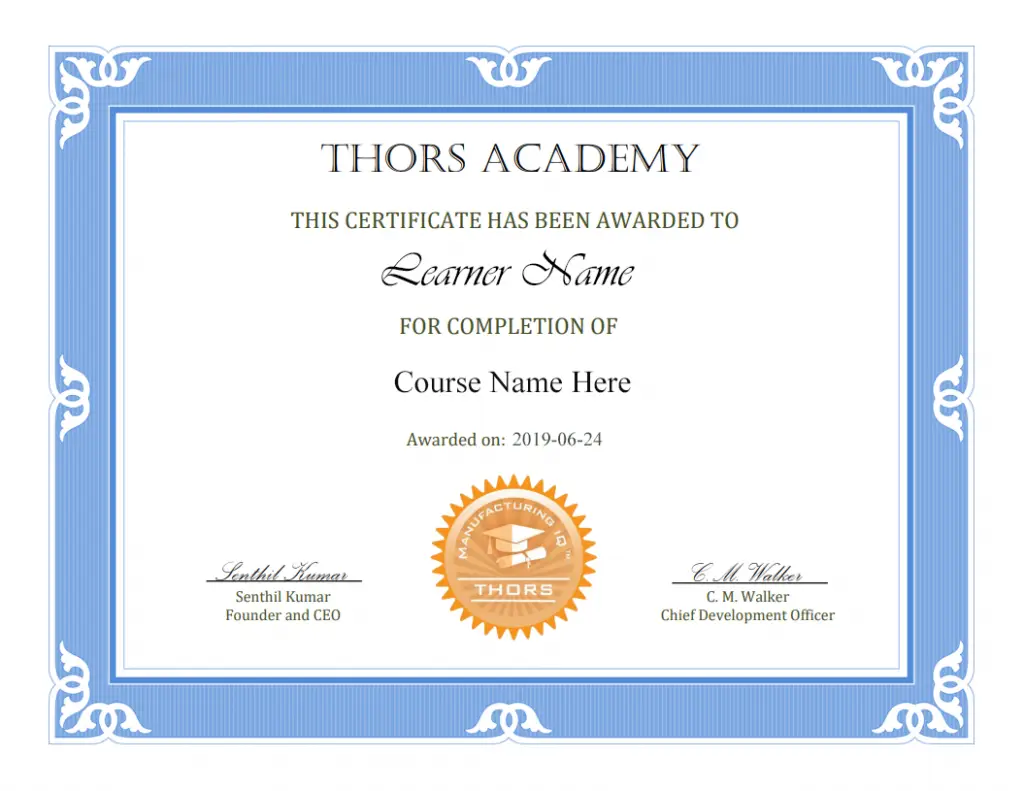
Certificate Awarded for Aluminum Rolling Basics

Example of certificate awarded upon successful completion of the course.

*upon successful completion

Related Posts

Learning Objectives

  1. Recognize the components of a rolling mill, such as mill stands and mill rolls.
  2. Describe the support systems of a rolling mill and the auxiliary equipment used.
  3. Recall the different types of rolling mills.
  4. Develop an understanding of the process steps involved in aluminum rolling, including rolling, annealing, and edge trimming.
  5. Identify the finishing steps that are applied to rolled aluminum to enhance its properties, dimensions, and surface quality.
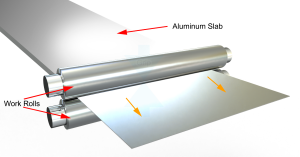
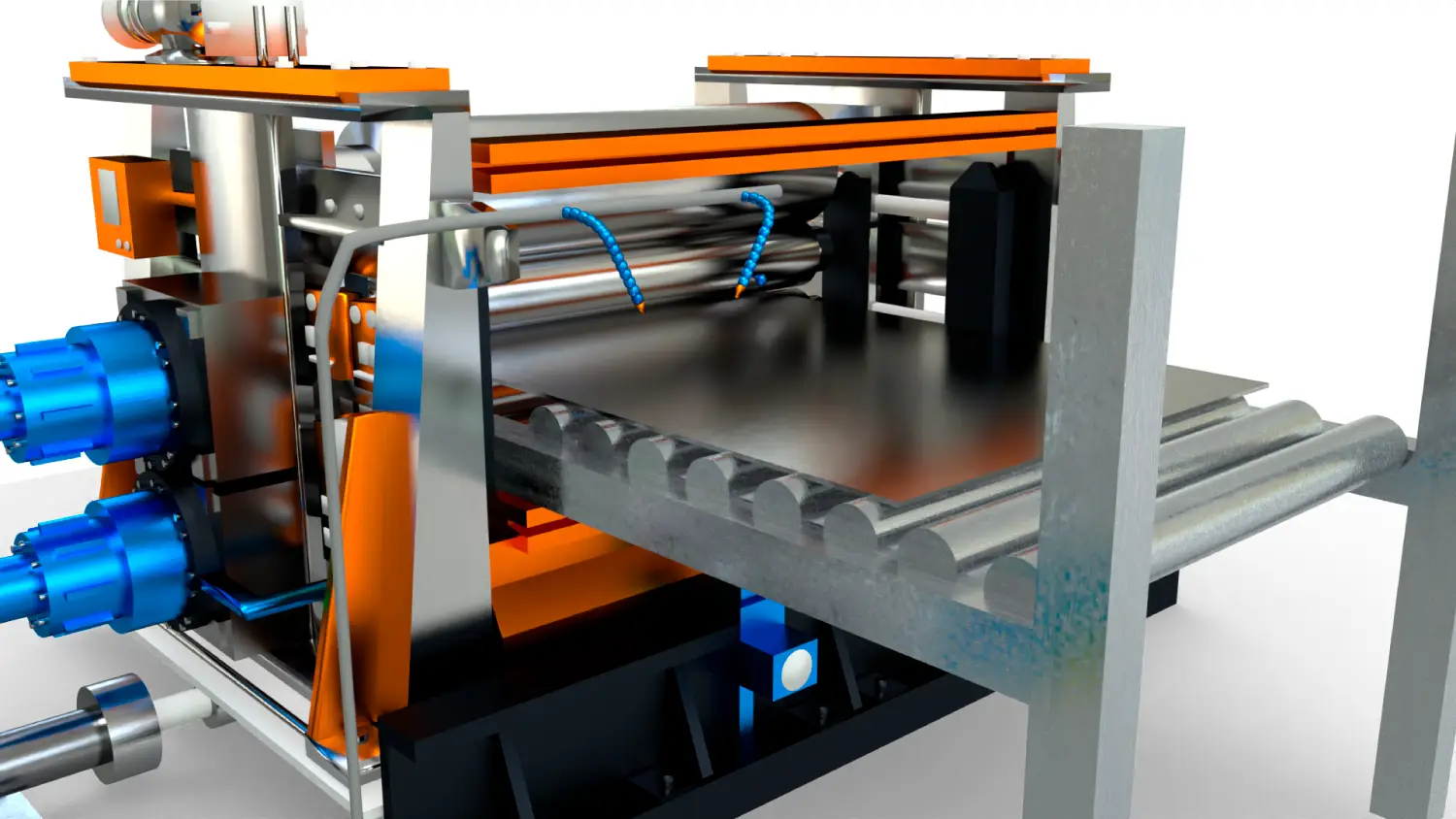
The thickness of aluminum slab is reduced due to the pressure applied by the work rolls during the aluminum rolling process.
Aluminum Rolling Basics Course

Table of Contents

  1. Rolling Mill
    1. Components
      1. Mill Stands
      2. Mill Rolls
        1. Work Rolls
        2. Back-Up Rolls
    2. Support Systems
      1. Drive System
      2. Gauge Control System
      3. Coolant System
    3. Auxiliary Equipment
      1. Annealing Ovens
      2. Tension Leveling Equipment
      3. Roll Grinding Machinery
    4. Types
      1. Based on the Number of Mill Stands
        1. Single Stand Mills
        2. Tandem Mills
      2. Based on the Arrangement of Mill Rolls
        1. 2-High Mills
        2. 4-High Mills
        3. Cluster Mills
  2. Rolling Process
    1. Process Steps
      1. Rolling
        1. Hot Rolling
        2. Cold Rolling
      2. Annealing
      3. Edge Trimming
    2. Finishing Steps
      1. Leveling
        1. Roller Leveling
        2. Stretcher Leveling
        3. Tension Leveling
      2. Coating
        1. Alodining
        2. Anodizing
        3. Painting
      3. Texturing and Embossing
      4. Cutting
        1. Slitting
        2. Cutting to Length
        3. Multiblanking
      5. Packaging

Request Course Demo

Cookie Consent with Real Cookie Banner