
Course Description
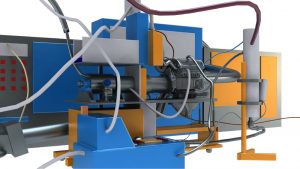
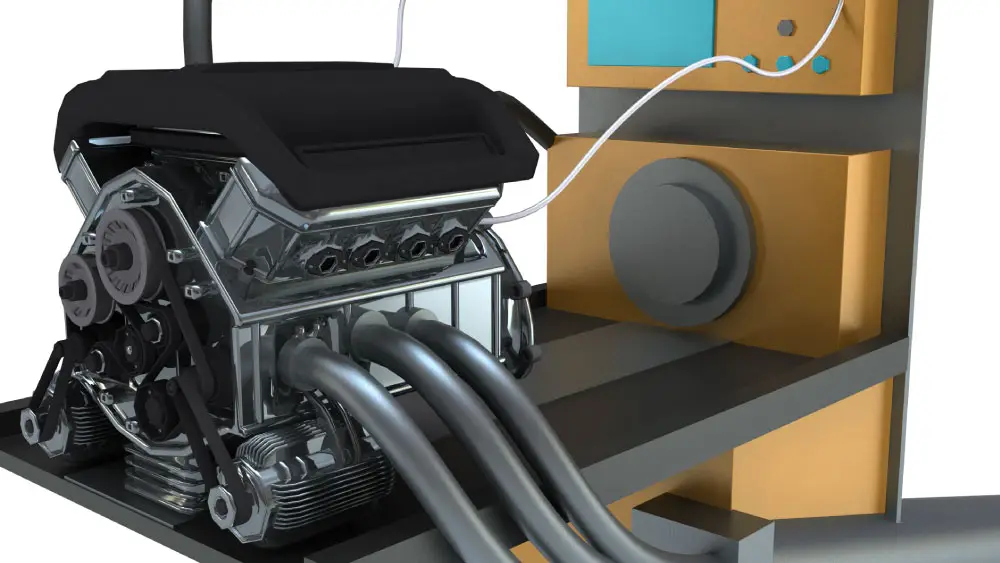
Engine Testing Methods and Systems: Internal Combustion introduces learners the fundamental concepts, terminology, and mechanical devices used when performing an engine test, with a focus on what types of sensors and dynamometers should be applied for different scenarios. The learning in this course is delivered in a structured and measurable way, complete with 3D animations, colorful illustrations, and interactive quizzing. The information contained in this course is relevant to anyone involved in engine testing, regardless if the user is a seasoned veteran or new to engine testing overall.

Who will benefit from this Internal Combustion Engine Testing course?
Quality, manufacturing, engineering, designing, purchasing, and sales functions at organizations that require an understanding of engine testing methods and systems.
Course Classification
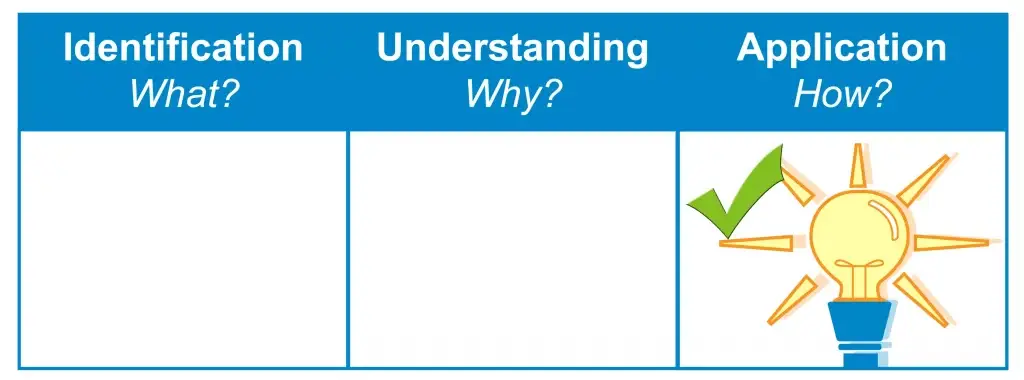
*THORS uses the Bloom’s Taxonomy Methodology for our course development.
Certificate Awarded for Engine Testing Methods and Systems: Internal Combustion
*upon successful completion
Related Posts

Orientation versus Onboarding: Understanding the Differences
When discussing “orientation versus onboarding”, it’s vital to recognize that, though frequently conflated, they serve distinct purposes in the professional environment. Despite both focusing on

Sustainability in Engine Valve Manufacturing: Balancing Performance with Environmental Responsibility
Sustainability in the production of engine valves, like many other automotive components, has become increasingly important in the face of climate change and resource depletion.

Understanding ADAS Technology That is Revolutionizing Vehicle Safety
Advanced Driver Assistance Systems (ADAS) represent one of the most significant safety innovations in automotive history. ADAS technology improves road safety by helping drivers avoid