
THORS eLearning Solutions

Statistical Process Control (SPC) Fundamentals

The THORS Statistical Process Control (SPC) Fundamentals course is designed to provide learners with an understanding of control charts used for variable data such as X̅ and R chart, X̅ and S chart, I-MR chart, and special purpose charts. The course also explains control charts used for attribute data such as control chart for defective units and control chart for defects. Further, the course also presents case studies that illustrate the application of the different types of control charts. Ready to take the next step? Explore the course details and see everything we’ve packed into this program!

Learning Hours: 2.5

Representative or member of a corporation, educational institution, or trade organization? Contact us to discuss special pricing and additional benefits, including course activity reports for your group.

Contact Sales For Group Pricing

Purchase 30 Day Access

Course Description

The THORS Statistical Process Control (SPC) Fundamentals course serves as a guide to understanding various types of control charts used for Statistical Process Control (SPC) within manufacturing industries. The course provides an interactive learning experience, enabling learners to explore the various types of control charts used for variable data such as the X̄ and R chart, X̄ and S chart, I-MR chart, and special purpose charts. Learners are then introduced to control charts used for attribute data such as the p chart, np chart, u chart, and c chart. Finally, the course also presents case studies that illustrate the application of the different types of control charts.

YouTube player

Who will benefit from this control charts for SPC course?

Marketing, Sales, Design, Engineering (Product and Process), Purchasing, Manufacturing, Quality, and Service functions at organizations that require an understanding of statistical process control; Any learner who is required to understand and use SPC

Course Classification

This manufacturing course by THORS eLearning Solutions covers understanding and application of the covered topics.

*THORS uses the Bloom’s Taxonomy Methodology for our course development.

Certificate Awarded for Statistical Process Control (SPC) Fundamentals

Example of certificate awarded upon successful completion of the course.

*upon successful completion

Related Posts

Learning Objectives

  1. Develop an understanding of the different types of control charts used for variable data.
  2. Identify the special purpose charts used for variable data.
  3. Develop an understanding of the various types of control types used for attribute data.
  4. Recall the applications for each of the different types of control charts.
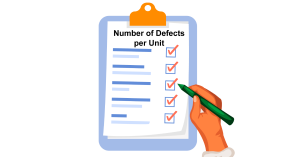
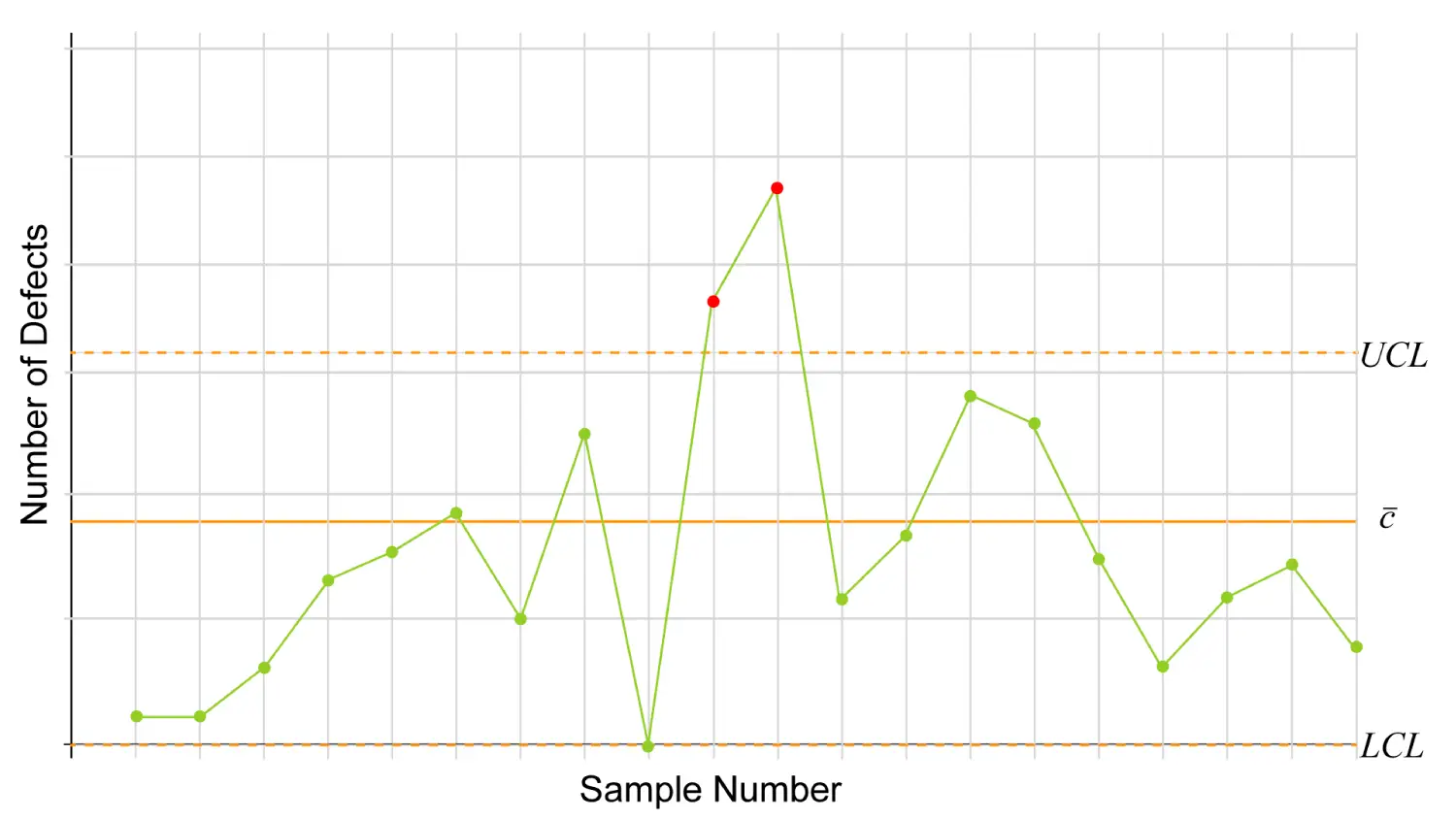
The number of defects per unit is recorded by inspecting the units.
Statistical Process Control (SPC) Fundamentals Course

Table of Contents

  1. Control Chart for Variable Data
    1. X̅ and R Chart
      1. Initial Data Calculation
        1. Subgroup Average Calculation
        2. Subgroup Range Calculation
      2. Control Limits Calculation
        1. Control Limits Calculation for the R Chart
        2. Control Limits Calculation for the X̅ Chart
    2. X̅ and S Chart
      1. Initial Data Calculation
        1. Subgroup Average Calculation
        2. Subgroup Standard Deviation Calculation
      2. Control Limits Calculation
        1. Control Limits Calculation for the S Chart
        2. Control Limits Calculation for the X̅ Chart
    3. I-MR Chart
      1. Moving Range Calculation
      2. Control Limits Calculation
        1. Control Limits Calculation for the MR Chart
        2. Control Limits Calculation for the I Chart
    4. Special Purpose Charts
      1. Traffic Signal Chart
      2. CUSUM Chart
      3. EWMA Chart
      4. DNOM Chart
      5. Sloping Chart
  2. Control Chart for Attribute Data
    1. Control Chart for Defective Units
      1. p Chart
      2. np Chart
    2. Control Chart for Defects
      1. c Chart
      2. u Chart
  3. Case Study Examples
    1. Case Study 1: X̅ and R Chart
    2. Case Study 2: X̅ and S Chart
    3. Case Study 3: I-MR Chart
    4. Case Study 4: p Chart
    5. Case Study 5: np Chart
    6. Case Study 6: c Chart
    7. Case Study 7: u Chart

Request Course Demo

Cookie Consent with Real Cookie Banner