Course Description
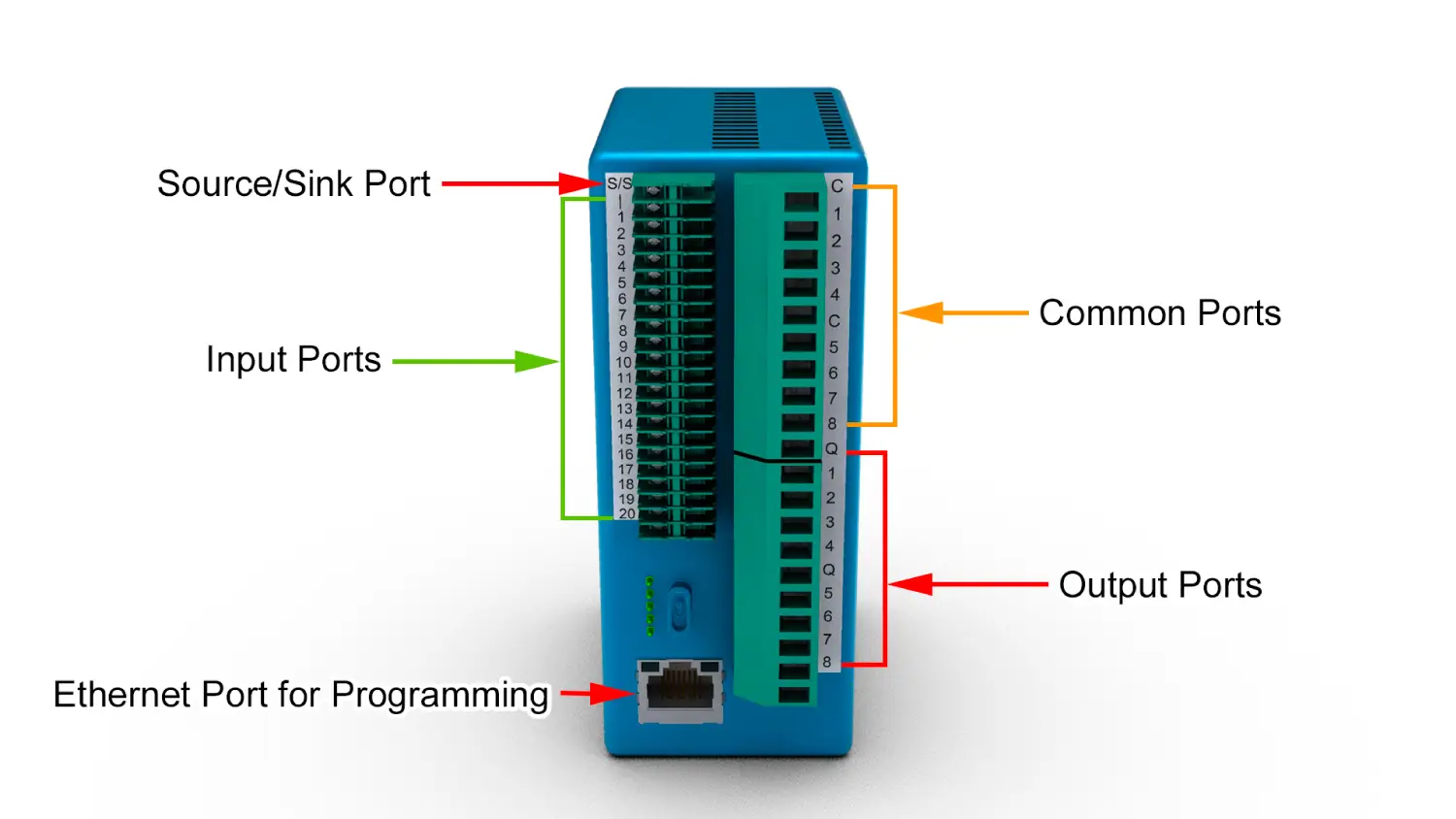
The THORS Programmable Logic Controller (PLC) Basics course introduces the learner to PLC components, such as the power supply module, Input or Output (I/O) module, field devices, programming device, and data processor. The course also covers PLC architecture that includes the different types of PLC arrangements and the operation of PLC, which is explained using examples involving industrial automation. Presented in THORS’ highly visual and interactive learning format, this course will equip the learner with a foundational knowledge of a PLC and its related automation processes.

Who will benefit from this programmable logic controller (PLC) course?
Quality, manufacturing, engineering, design, testing, purchasing, and sales functions at organizations that require a basic understanding of PLCs.
Course Classification
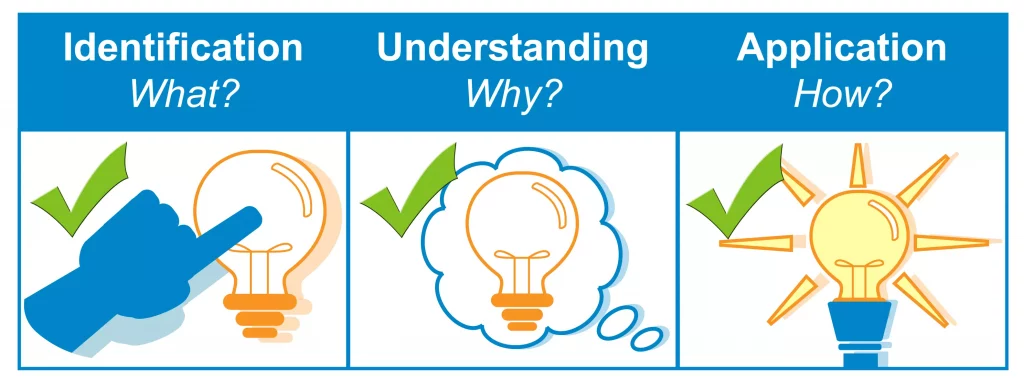
*THORS uses the Bloom’s Taxonomy Methodology for our course development.
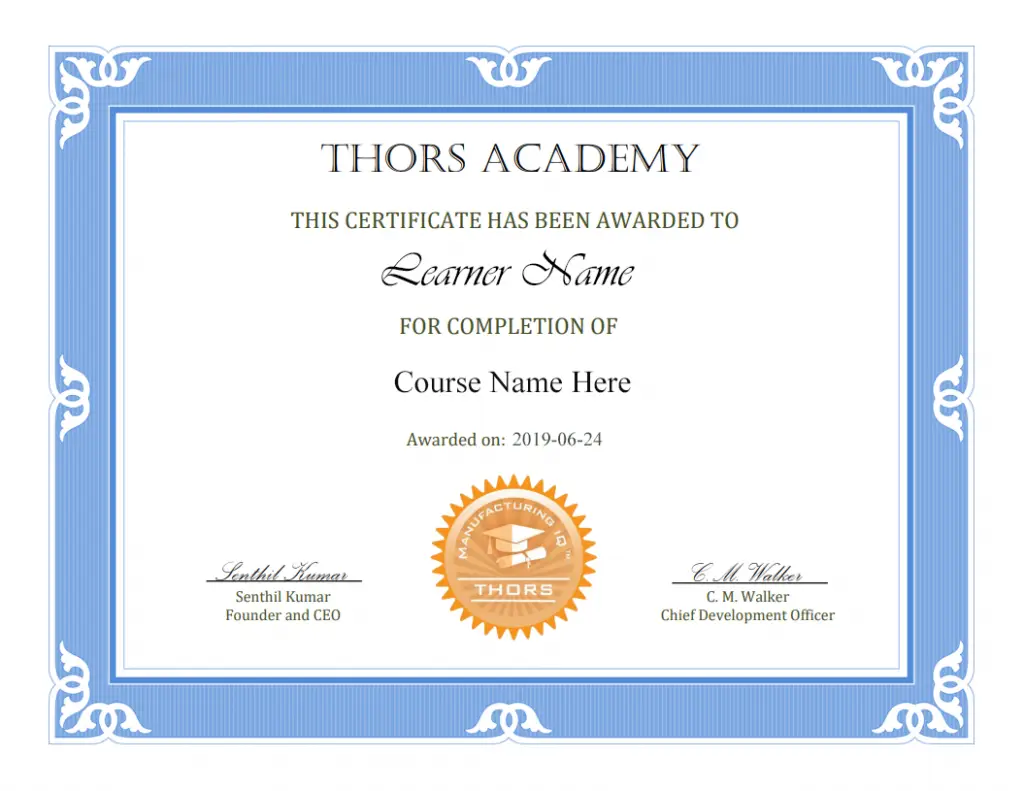
Certificate Awarded for Programmable Logic Controller (PLC) Basics
*upon successful completion
Related Posts

Power Converters Explained: AC to DC, DC to AC, AC to AC, and DC to DC
In electronics, power converters are devices that transform an input signal from one state or voltage level to another, enabling efficient energy transfer and utilization.

5 Safety Features in Ball Valves
Ball valves are highly versatile in design characteristics that make them suitable for transporting media of extreme natures. As a result, it is important to

Gear Hobbing Cutting Parameters to Optimize the Hobbing Process
What are the Primary Gear Hobbing Cutting Parameters? Primary gear hobbing cutting parameters include the radial feed rate, the axial feed rate, the work spindle