Inventory is the stock of resources used by an organization. Sustainable inventory management practices are essential because every organization must manage resources, control costs, reduce waste, and support efficient daily operations. Today’s industries are shifting focus toward sustainable inventory management practices by prioritizing environmental responsibility alongside operational success and profitability.
What are Sustainable Inventory Management Practices?
Sustainable inventory management practices help businesses reduce waste, conserve resources, improve operational efficiency, and minimize environmental impact. These practices are becoming increasingly important across industries such as manufacturing, warehousing, retail, and e-commerce. Sustainable inventory management involves planning, storing, and regulating inventory efficiently. Its key objectives include reducing excess inventory, minimizing material waste, lowering energy consumption, optimizing product lifecycle management, reducing unnecessary transportation, and promoting environmentally responsible business practices. Along with supporting environmental sustainability, these practices also help businesses lower operating costs and improve overall productivity.
Reducing Excess Inventory
Inventory waste happens when products are damaged, expired, obsolete, or unsellable before they can be used or sold. Industries such as fashion, electronics, food processing, and healthcare often face this problem. For instance, hospitals may discard expired medications and medical supplies, food producers may lose raw materials due to inadequate temperature management, electronics companies may incur losses when earlier models become obsolete, and fashion merchants sometimes struggle with unsold seasonal clothing.
Reducing inventory waste helps businesses lower disposal costs, improve operational efficiency, and conserve valuable resources. Some of the waste management techniques used by various industries include:
- Maintaining proper storage conditions to prevent products from being damaged or spoiled
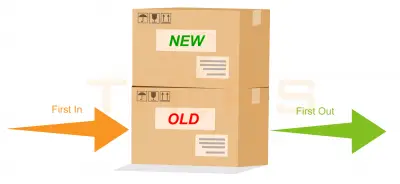
- Following the First In, First Out (FIFO) method to ensure older inventory is used or sold first
- Monitoring product expiration dates regularly to avoid losses from expired goods
- Improving inventory tracking accuracy using inventory management systems and audits
- Conducting regular inventory audits to identify damaged, obsolete, or excess stock
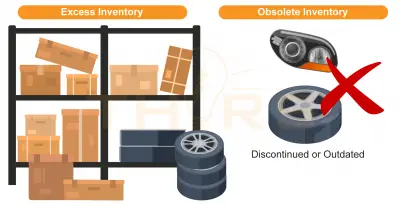
Ultimately, reducing inventory waste helps businesses lower disposal costs, improve operational efficiency, and conserve valuable resources.
Reducing Inventory Waste and Eco-Friendly Packaging
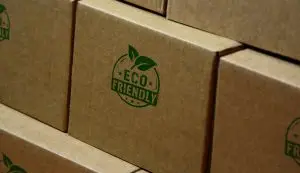
Packaging materials also contribute significantly to industrial and commercial waste. Sustainable inventory management encourages businesses to adopt environmentally friendly packaging solutions such as recyclable cardboard packaging, biodegradable wrapping materials, reusable containers and pallets, and reduced plastic packaging.
Many e-commerce and retail companies now minimize unnecessary packaging to reduce their environmental impact. Eco-friendly packaging not only supports sustainability goals but also improves brand reputation, because customers increasingly prefer environmentally responsible businesses.
Improving Warehouse Efficiency
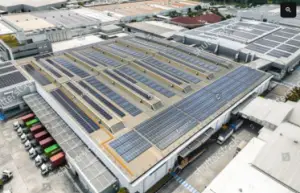
Warehouses consume large amounts of electricity for lighting, cooling, heating, and equipment operation. Sustainable warehouse practices help reduce energy consumption and operational costs.
Common sustainable warehouse practices include using LED lighting systems, installing energy-efficient equipment, optimizing warehouse layouts, using automated inventory systems, and reducing unnecessary material movement. For example, organizing fast-moving products closer to shipping areas reduces equipment travel distance and saves energy.
Optimizing Inventory Management
Technology and transportation play a major role in optimizing inventory management and improving sustainability in business operations. Modern inventory systems help companies manage stock more efficiently while reducing waste, costs, and environmental impact. Businesses use advanced technologies to track inventory in real time, improve forecasting accuracy, reduce lead time, reduce overstocking, monitor product movement, and improve warehouse efficiency.
Some of the common technologies used in inventory management include:
- Barcode systems
- RFID tracking
- Warehouse management software
- Automated inventory monitoring systems
These tools help businesses make data-driven decisions that improve operational efficiency, reduce inventory waste, and support sustainable practices.
Transportation and logistics are also important aspects of inventory optimization. Moving products between suppliers, warehouses, and customers consumes fuel and generates emissions. To improve sustainability, businesses focus on optimizing delivery routes, consolidating shipments, reducing unnecessary transportation, using fuel-efficient vehicles, and locating warehouses closer to customers. For example, regional distribution centers help reduce long-distance transportation and improve delivery efficiency. Efficient logistics systems not only lower environmental impact but also reduce transportation costs and delivery times.
By combining technology-driven inventory control with sustainable transportation practices, businesses can optimize inventory management while improving both profitability and environmental responsibility.
Benefits of Sustainable Inventory Management Practices
Sustainable inventory management provides both environmental and business benefits. Key benefits include reduced operational costs, lower material waste, improved resource utilization, better energy efficiency, improved brand reputation, increased customer trust, and better regulatory compliance. Today, many customers prefer companies that demonstrate environmental responsibility. Therefore, sustainable practices help businesses remain competitive in modern markets.
Sustainable inventory management is becoming an essential part of modern business operations. Companies across industries are working to reduce waste, improve efficiency, and minimize environmental impact while maintaining strong supply chain performance.
If you are interested in learning more about inventory management essentials, the THORS Inventory Management Essentials course would be a great place to start.