
Costing Machined Components

The THORS Costing Machined Components course is designed to provide learners with an understanding of the essential aspects of costing, including cost inputs, cost types, and cost estimation methods. The course also details the complete process of estimating the cost and price of a machined component, from receiving the Request for Quotation (RFQ) to drafting and releasing the quote, along with a case study that walks the learner through the cost estimation process. Ready to take the next step? Explore the course details and see everything we’ve packed into this program!

Learning Hours: 2

Representative or member of a corporation, educational institution, or trade organization? Contact us to discuss special pricing and additional benefits, including course activity reports for your group.

Contact Sales For Group Pricing

Course Description

The THORS Costing Machined Components course provides learners with the foundation required for estimating cost and selling price of a manufactured component that begins with the receipt of Request for Quotation (RFQ) and ends with the release of a quote. This course offers an interactive learning experience that allows learners to gain an in-depth understanding of cost estimation inputs and the cost estimation process, with a real-world example.

YouTube player

Who will benefit from this costing machined components course?

Quality, manufacturing, engineering, designing, purchasing, and sales functions at organizations that require an understanding of how machined components are costed.

Course Classification

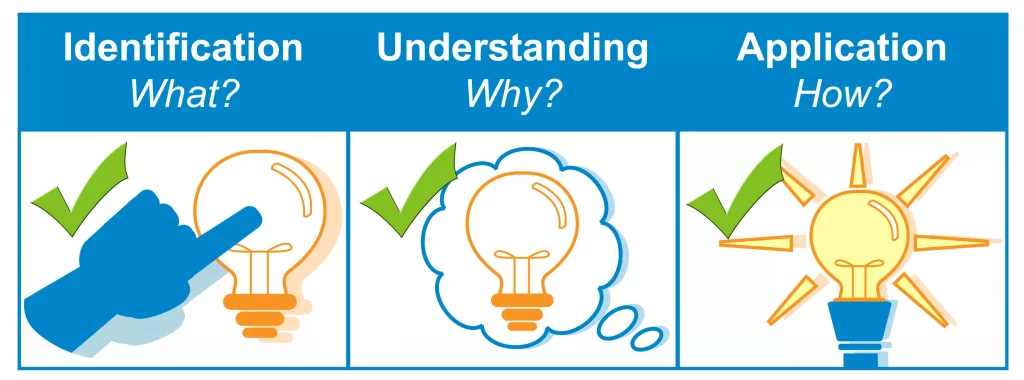
This manufacturing course by THORS eLearning Solutions covers identification of key terms, understanding of key concepts, and application of the covered topics.

*THORS uses the Bloom’s Taxonomy Methodology for our course development.

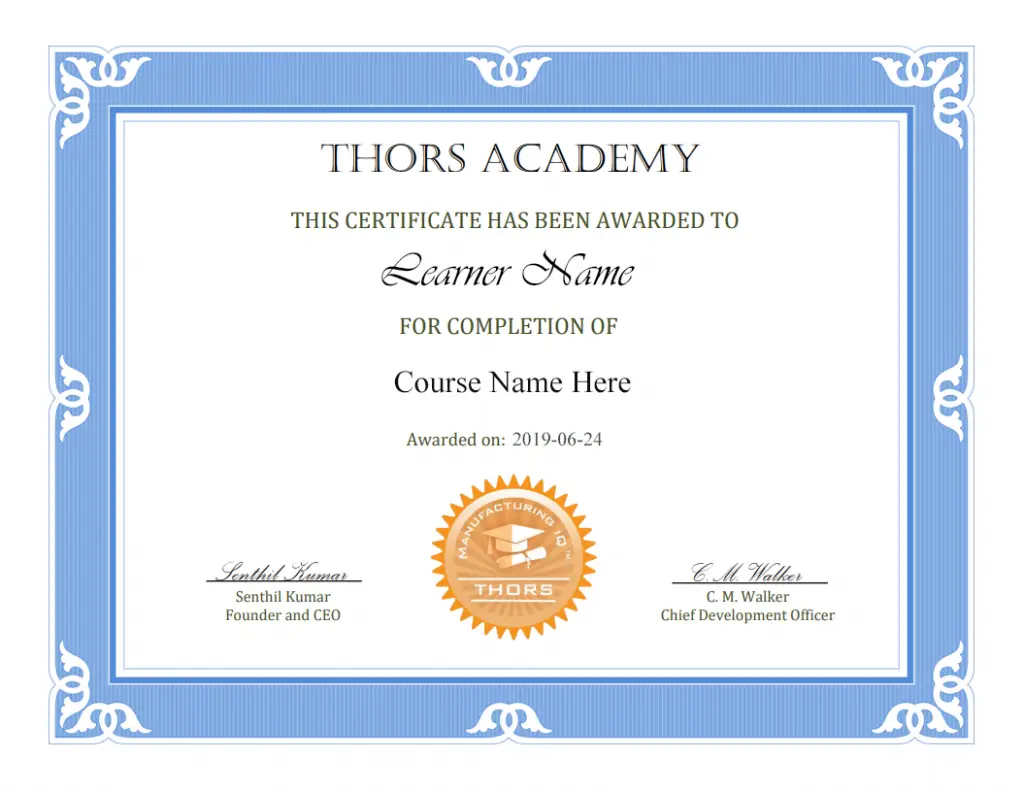
Certificate Awarded for Costing Machined Components

Example of certificate awarded upon successful completion of the course.

*upon successful completion

Related Posts

Learning Objectives

  1. Recognize the required inputs for the cost estimation of a machined component.
  2. Describe the costs involved in raw material procurement.
  3. Identify the machining requirements and additional requirements involved in costing.
  4. Differentiate between the cost types and the six cost estimation methods.
  5. Understand the process of estimating price and profit calculation methods.
  6. Explain how the estimation outcomes are compiled in a sample RFQ.
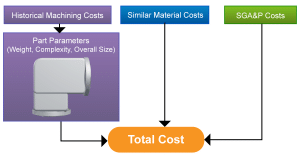
When costing machined components, historical machining costs, similar material costs, and SGA&P costs serve as inputs in parametric cost estimation.
Costing Machined Components Course

Table of Contents

  1. Cost Estimation Inputs
    1. Request for Quotation (RFQ)
    2. Raw Material Procurement
      1. Procurement Costs
      2. Metal Surcharges
      3. Freight Costs
    3. Machining Requirements
    4. Additional Considerations
  2. Cost Estimation Process
    1. Identify Machining Process Steps
    2. Estimate Cost
      1. Cost Types
      2. Cost Estimation Methods
        1. Bottom-Up
        2. Top-Down
        3. Parametric
        4. Feature-Based
        5. Activity-Based
        6. Computer-Aided
    3. Estimate Price
      1. Pricing Strategies
      2. Productivity Strategies
        1. Enhancing Cost Reductions
        2. Tackling Productivity Reductions
      3. Profit Calculation Methods
    4. Draft and Release Quote
  3. Case Study Example
    1. Receipt of RFQ
    2. Raw Material Procurement
      1. Submit RFQ to Source Supplier
      2. Casting Quote by Source Supplier
    3. Machining Requirements
    4. Additional Considerations
    5. Identify Machining Process Steps
    6. Estimate Cost
    7. Estimate Price
    8. Draft and Release Quote

Request Course Demo