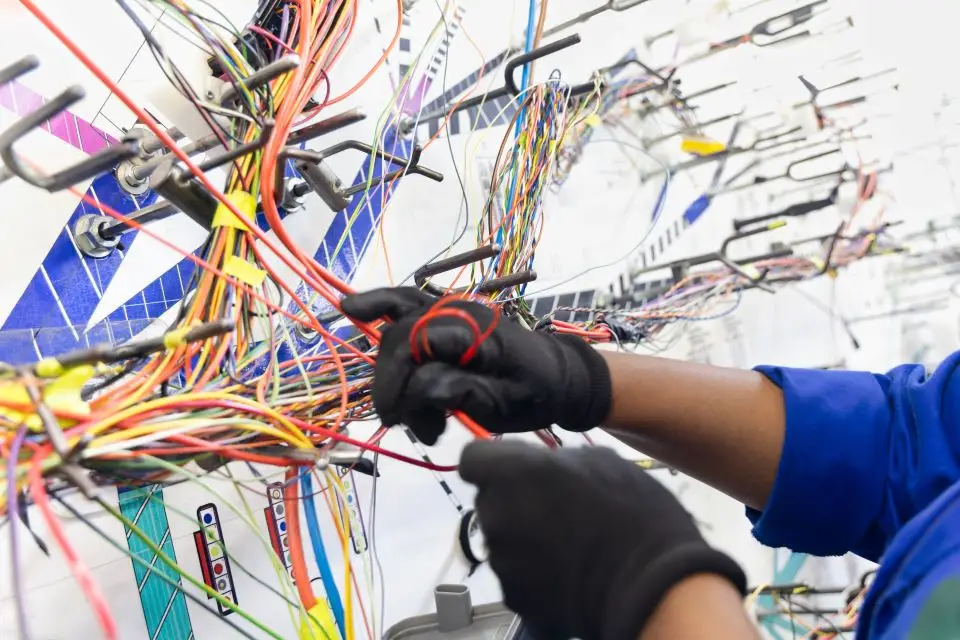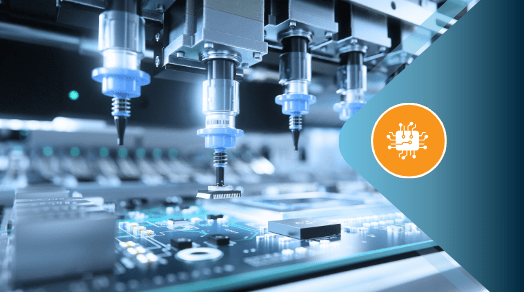




Semiconductor Prep Essentials is the first module in the Semiconductor Series – covering the fundamentals of modern electronics and semiconductor technology. These two courses will help you develop an understanding of electronics and how semiconductor devices enable today’s advanced technologies.
You’ll gain the knowledge needed to:
- Understand common electronics terminology and system components
- Explain how basic electronic circuits and power systems function
- Describe the role of semiconductors in electronic devices
- Identify MOS technology, MOSFET types, and key IC segments
- Recognize how semiconductor scaling and node evolution impact device capabilities
Module 1 Price:
₹9,000 ₹2,250
Package discount (75% off)
This module includes:
- 4.5 hours of self-paced learning
- 2 individual courses
- Access on mobile and computer
- 45-day full access
- Certificate of completion
Course Details:
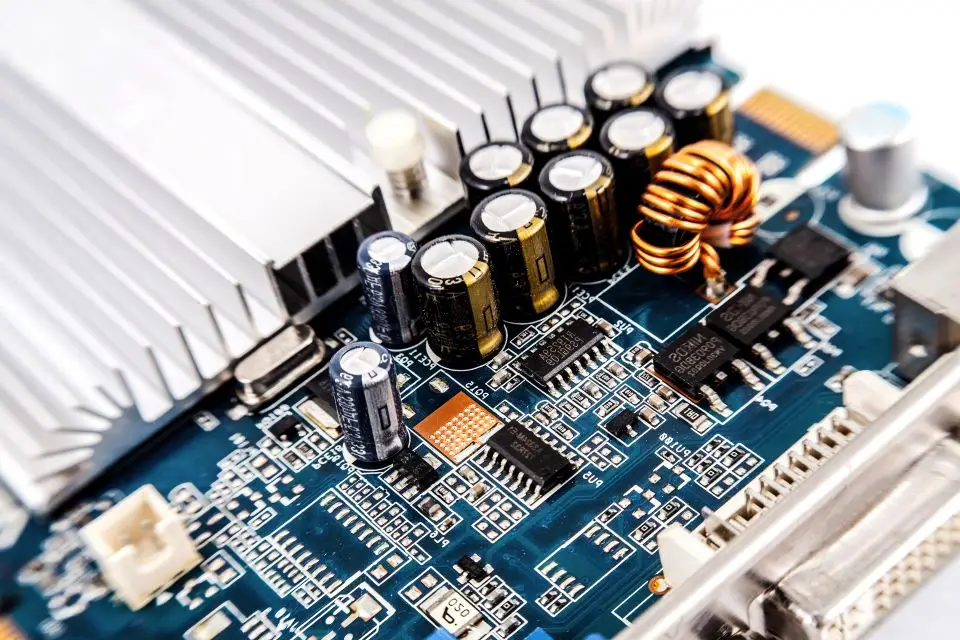
Explore essential electronics terminology, including basic electronic components, working principles, electronic circuits, connectors, power converters, and how these elements operate together in real-world systems. This module also introduces core semiconductor concepts, covering Metal Oxide Semiconductor (MOS) technology, the different types of MOSFETs, the major segments of an integrated circuit (IC), and how device scaling and node evolution have shaped modern electronics.
Electronics Terminology
Course Description
The evolution of electronics has propelled technological development forward. With the growing importance of electronics, there is also an increasing need for the knowledge of electronics and their application. The THORS Electronics Terminology course is created with the purpose to educate learners on the basic electronic components, working principles, electronic circuits, connectors, power converters, and its operation in a visually pleasing and highly interactive learning module.
Learning Objectives
- Differentiate between passive, active, and electromechanical components.
- Identify the symbols used for different types of electronic components.
- Recognize the applications of various electronic components in a circuit.
- Explain the working principle of various electronic components.
- Identify the components and understand the working principles associated with electronic circuits.
Who will benefit from this semiconductor electronics course?
Quality, manufacturing, engineering, design, test, purchasing, and sales functions at organizations that require an understanding of basic electronics and electronic components.
Learning Hours: 2.5
Semiconductor Basics
Course Description
The THORS Semiconductor Basics course offers a creative learning experience with visually appealing content and interactive quizzes. This electronics course covers basic semiconductor terminologies. Metal Oxide Semiconductor (MOS) technology covers the types of Metal Oxide Semiconductor Field Effect Transistors (MOSFETs) and the different segments of an Integrated Circuit (IC). Nodes are also presented to include the innovations in each IC segment and the characteristics of various devices that were possible due to the constant evolution of the semiconductor industry.
Learning Objectives
- Define the major semiconductor terminologies.
- Identify the different types of Metal Oxide Semiconductors (MOSs).
- Distinguish the different segments of an Integrated Circuit (IC) and the major advancements in each segment.
- Recognize Moore’s law and the evolution of technology nodes.
- Explain the common semiconductor devices, their working principles, and their applications.
Who will benefit from this semiconductor electronics course?
Quality, manufacturing, engineering, design, testing, purchasing, and sales functions at organizations that require a basic understanding of semiconductors.
Learning Hours: 2


“I think informing yourself with skills and knowledge that are relevant to your job. That’s fundamentally important. As much as you love something, as much as you care about it, you’re not going to be good at your job unless you know something. So education I’m going to say is the key enabler.”

“For me, it brings to my students real-world examples of the types of training that takes place with well done and realistic videos and/or simulations with culminates in learning and then a THORS certificate. It just complements the way students like to learn today.”

"People could do it at their own pace and timeline – around their schedule. The feedback that we heard from our members was that they liked the self-pacing so they could do it in their free time and add value on the side of what they’re doing at work."

“What did I like most? Actually, the pre-assessments for every course. I liked that I could see my improvement. That helped me be more confident. I started at like a 40% score before taking the course, and after, I am at 90%!”

"Newer engineers could experience a step change in their casting knowledge in a short span of time by completing THORS Courses. The content in these courses is really good. I really liked it. So well made, all those video sections, the animations, that was very nice.”

Ready to Empower Your Career?
See how the THORS Academy courses can help you master industry-relevant knowledge and perform at your best.
THORS: The Gold Standard in Technical Manufacturing Training
Since 2012, THORS eLearning Solutions has been transforming manufacturing education through THORS Academy, a visually engaging and ever-expanding eLearning library of over 230+ expert-developed courses.
THORS is trusted by Fortune 500 manufacturing companies, universities, and global suppliers who are committed to empowering their workforce to learn, adapt and grow through online courses and AI-powered productivity tools. To date, over 250,000 manufacturing professionals and students worldwide have advanced their expertise using THORS Academy.
Latest from the Blog
EMC in Automotive Wiring Harness Design: Key Principles and Best Practices
What Is EMC in Automotive Wiring Harness Design? Electromagnetic Compatibility (EMC) in automotive wiring harness ...
Read More →
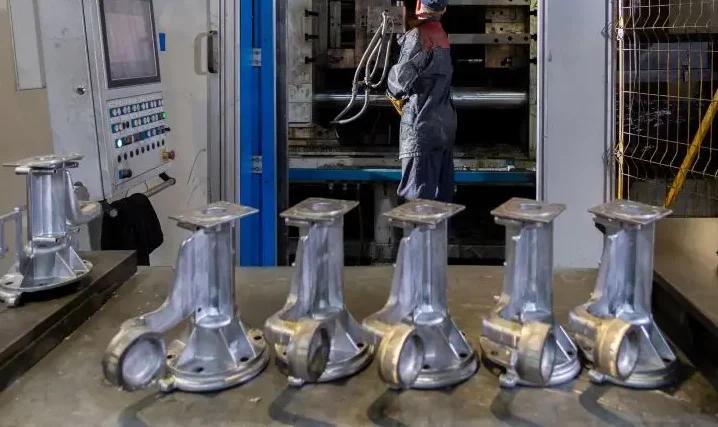
Why Heat Treatment Matters for Industrial Aluminum Products
Aluminum is widely valued for being lightweight, corrosion-resistant, and easy to fabricate. However, in its ...
Read More →
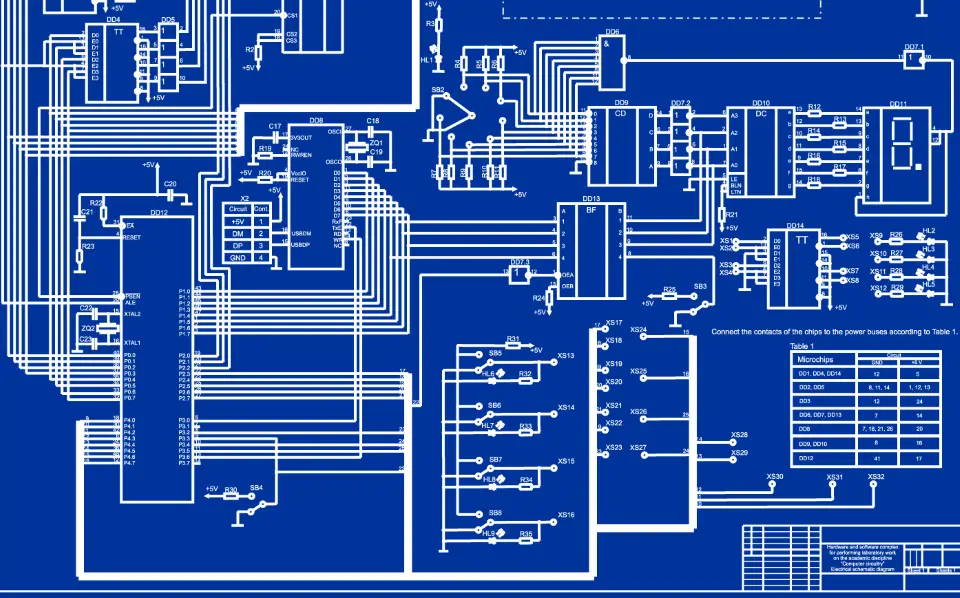
Why Is PLC Ladder Diagram (LD) Widely Used in Industries?
PLC Ladder Diagram (LD) is one of the most widely used programming languages in PLC ...
Read More →
Power Converters Explained: AC to DC, DC to AC, AC to AC, and DC to DC
In electronics, power converters are devices that transform an input signal from one state or ...
Read More →
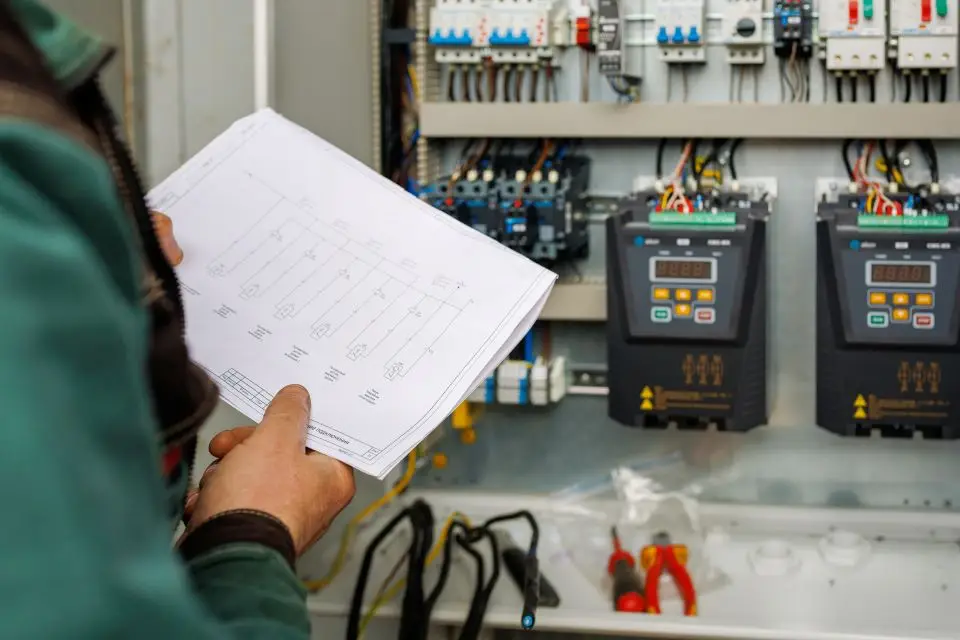
Reading Electrical Drawings: Why This Skill Is Essential for Electrical Engineers
Electrical drawings bridge the gap between conceptual design and the practical implementation of electrical circuits. ...
Read More →
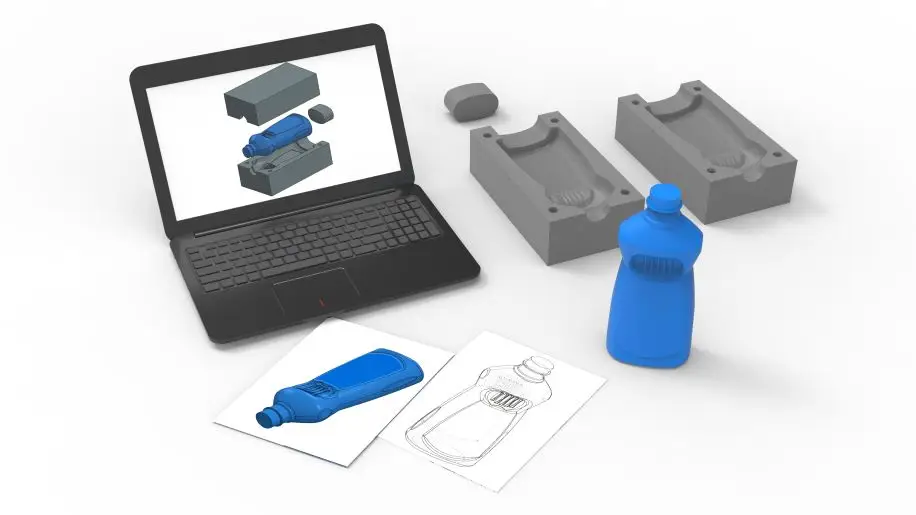
Injection Mold Design: How the Right Strategies Can Optimize Cycle Time and Production
In injection molding, every second of cycle time directly impacts profitability. Strategic mold design decisions ...
Read More →
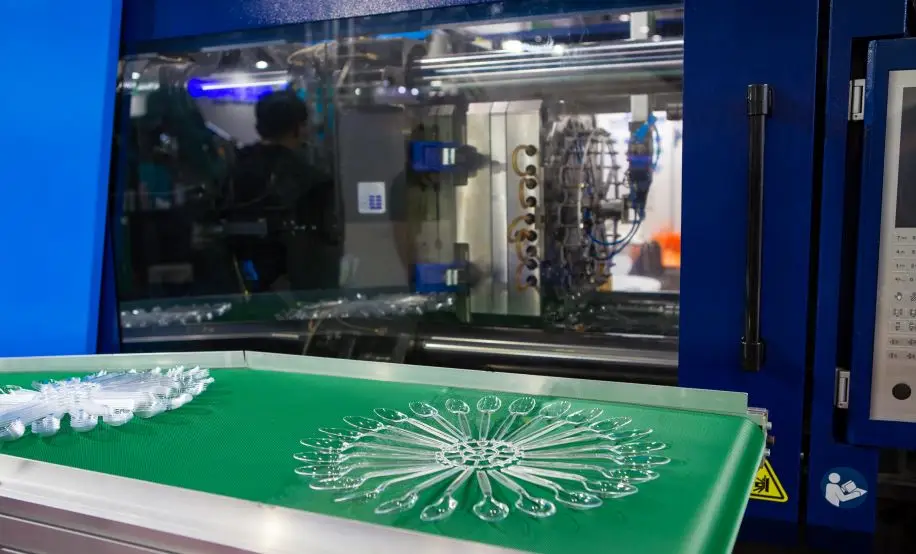
8 Common Injection Mold Design Mistakes and Tips to Avoid Them
Injection molding is a widely used process for producing mass quantity of plastic components, but ...
Read More →
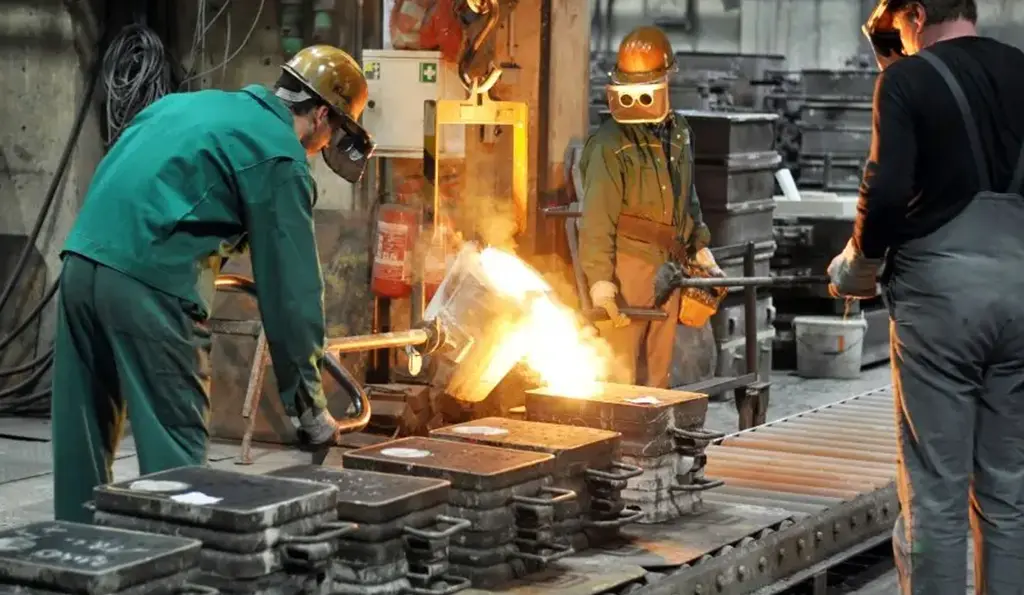
The Impact of a Well-Executed Shakeout on Casting Efficiency
Shakeout may seem like a routine step in the casting process, but its impact goes ...
Read More →
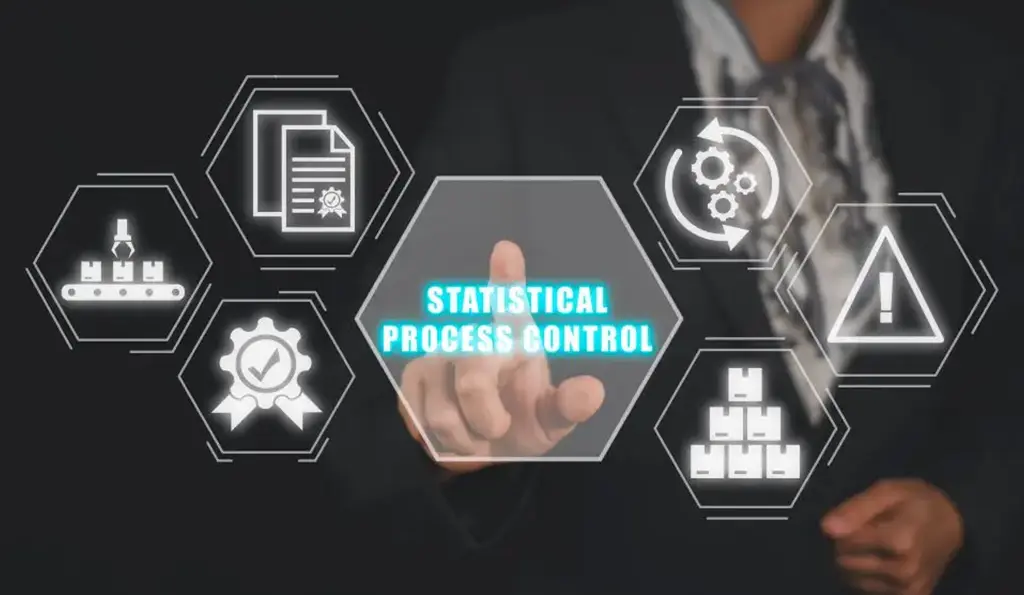
A Guide to Selecting Variable Data Control Charts for SPC
To monitor, control, and improve manufacturing processes, a systematic approach such as Statistical Process Control ...
Read More →